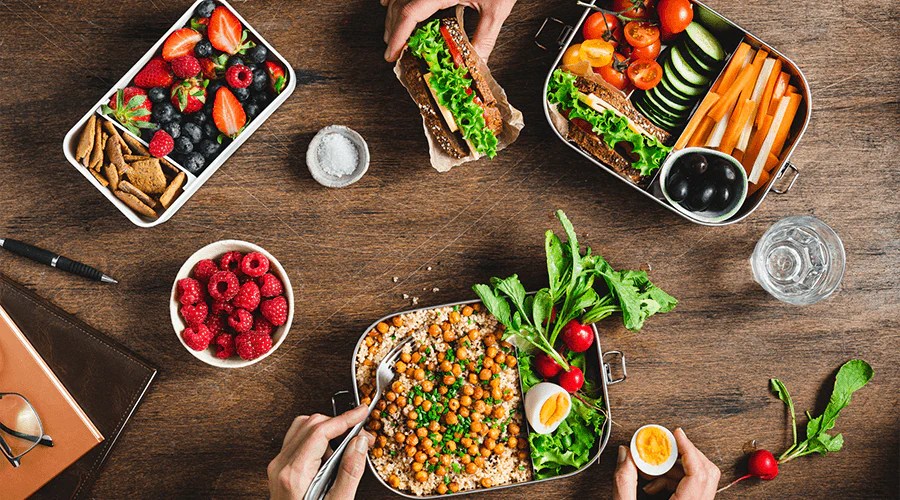
Benefits of meal prepping for clean eating: Simplifying Healthy Eating opens the door to a world where nutritious meals are effortlessly within reach. Dive into the art of meal prepping and discover how it can revolutionize your approach to food.
This guide will explore the various ways in which meal prepping can enhance your diet, mental well-being, physical fitness, and overall health. Get ready to embark on a journey towards a healthier lifestyle!
Balanced Diet
Meal prepping plays a crucial role in achieving a balanced diet by allowing you to plan and prepare meals that include a variety of nutrients necessary for overall health and well-being. By preparing meals in advance, you can ensure that your diet consists of the right balance of carbohydrates, proteins, fats, vitamins, and minerals.
Nutrient-Dense Foods for Meal Prepping
When meal prepping for a balanced diet, it is essential to include nutrient-dense foods that provide a high amount of nutrients relative to their calorie content. Some examples of nutrient-dense foods suitable for meal prepping include leafy greens, lean proteins like chicken or tofu, whole grains such as quinoa or brown rice, and healthy fats like avocado or nuts.
Portion Control for a Balanced Diet
Meal prepping can also help in portion control, which is crucial for maintaining a balanced diet. By pre-portioning your meals during the meal prep process, you can ensure that you are consuming the right amount of food to meet your nutritional needs without overeating.
This can help prevent weight gain and promote better overall health.
Mental Wellness
Meal prepping can have a positive impact on mental wellness by reducing stress and promoting a sense of control and organization in daily routines. When meals are planned and prepared in advance, individuals are less likely to make impulsive food choices or skip meals, leading to a more stable blood sugar level which can help regulate mood and energy levels.
Relationship between Clean Eating and Mental Health
Eating a clean, balanced diet through meal prepping can support mental health by providing essential nutrients that support brain function and mood regulation. Foods rich in omega-3 fatty acids, antioxidants, and vitamins and minerals can help reduce inflammation in the brain and support neurotransmitter production, which can positively impact mental well-being.
Incorporating Mindfulness into Meal Prepping
- Set aside dedicated time for meal prepping to focus on the task at hand, allowing yourself to be present in the moment and fully engage with the process.
- Choose fresh, whole ingredients and savor the colors, textures, and aromas as you prepare your meals, creating a sensory experience that can enhance mindfulness.
- Practice gratitude for the nourishing food you are preparing and the opportunity to take care of yourself through mindful eating.
Physical Fitness
Maintaining physical fitness is crucial for overall health and well-being. Meal prepping plays a significant role in supporting physical fitness goals by providing the necessary nutrients to fuel workouts, aid in recovery, and promote muscle growth.
Importance of Protein-Rich Foods
Including protein-rich foods in meal prepping is essential for fitness enthusiasts as protein is crucial for muscle repair and growth. Incorporating sources of lean protein such as chicken, turkey, tofu, legumes, and Greek yogurt can help meet protein needs and support muscle recovery after intense workouts.
Meal Prepping for Post-Workout Recovery
Preparing meals specifically tailored to aid in post-workout recovery can enhance performance and muscle building. Including a combination of complex carbohydrates, lean protein, and healthy fats in post-workout meals can replenish glycogen stores, repair muscle tissue, and support overall recovery.
Examples of post-workout meal preps include grilled chicken with quinoa and roasted vegetables, salmon with sweet potato and steamed broccoli, or a protein smoothie with banana and almond butter.
Adequate Hydration
Staying hydrated is crucial for overall health and well-being, especially when following a meal prepping routine. Proper hydration helps in digestion, nutrient absorption, and toxin removal from the body.
Including Hydrating Foods in Meal Prepping
When meal prepping, it’s essential to incorporate hydrating foods to maintain adequate hydration levels. Some hydrating foods to include in your meal prep are:
- Cucumbers: With a high water content, cucumbers are a refreshing and hydrating addition to salads or as a snack.
- Watermelon: This juicy fruit not only adds hydration but also provides essential vitamins and minerals.
- Leafy Greens: Vegetables like lettuce, spinach, and kale are excellent sources of water and nutrients.
- Citrus Fruits: Oranges, grapefruits, and lemons are hydrating fruits packed with vitamin C.
Impact of Dehydration and Meal Prepping
Dehydration can lead to fatigue, headaches, and even impair cognitive function. By meal prepping with hydrating foods and consuming an adequate amount of water, you can help prevent dehydration and maintain optimal hydration levels throughout the day.
Regular Exercise
Regular exercise is an essential component of a healthy lifestyle, and when combined with meal prepping, it can enhance overall well-being and fitness levels. Meal prepping can provide the necessary fuel and nutrients to support your exercise routine, ensuring that you have the energy needed to perform at your best.
Pre-Workout Meals
When preparing meals for before a workout, focus on incorporating complex carbohydrates for sustained energy, lean proteins for muscle repair and growth, and a moderate amount of healthy fats. Examples of pre-workout meals suitable for meal prepping include:
- Grilled chicken with quinoa and roasted vegetables
- Oatmeal topped with berries and nuts
- Whole wheat wrap with turkey, avocado, and veggies
Post-Workout Meals
After a workout, it is crucial to replenish energy stores and provide the body with the necessary nutrients for recovery. Opt for meals that combine protein and carbohydrates to support muscle repair and glycogen replenishment. Examples of post-workout meals suitable for meal prepping include:
- Salmon with sweet potato and steamed broccoli
- Greek yogurt with granola and fruit
- Quinoa salad with chickpeas, veggies, and a lean protein source
Meal Timing and Exercise Performance
The timing of your meals in relation to your exercise routine can significantly impact your performance. Eating a balanced meal 1-2 hours before a workout can provide the necessary energy for optimal performance. Additionally, consuming a post-workout meal within 30 minutes to an hour after exercise can help support muscle recovery and replenish glycogen stores.
It is essential to listen to your body and adjust meal timing based on individual preferences and digestive needs.
Healthy Lifestyle
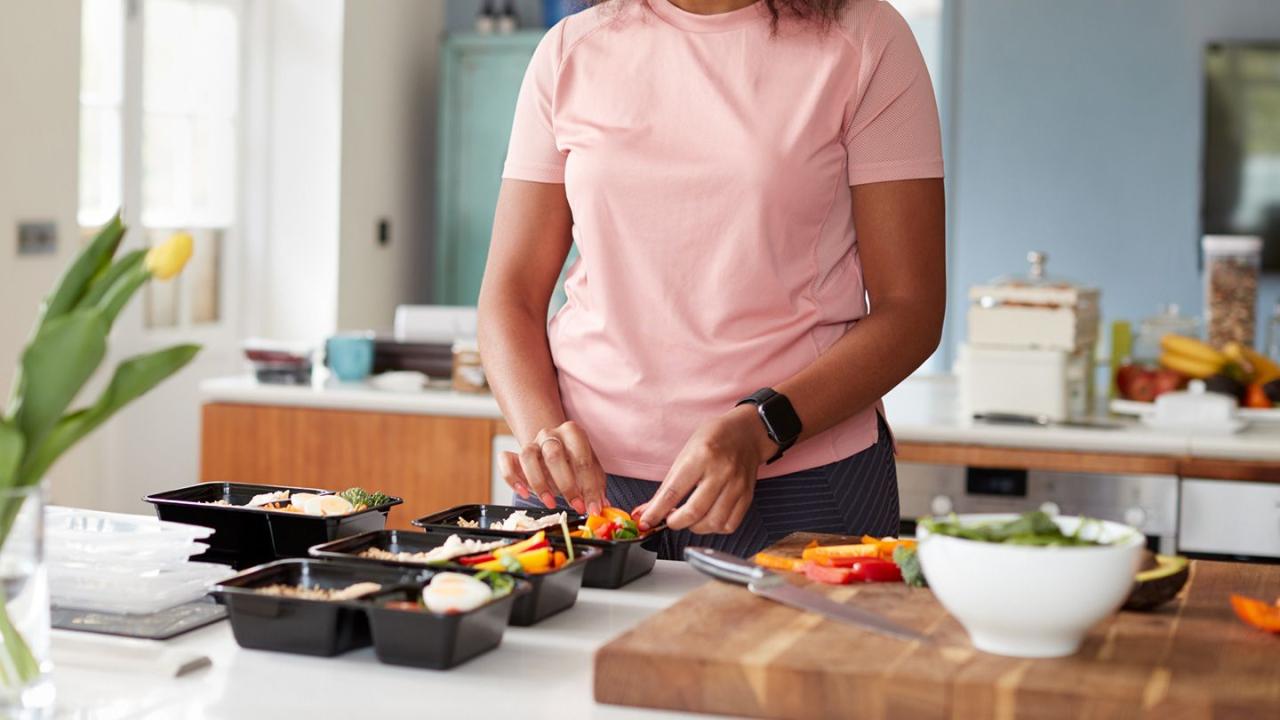
Meal prepping plays a crucial role in adopting a healthy lifestyle by ensuring that nutritious meals are readily available, thus reducing the temptation to opt for less healthy options. It helps in managing portion sizes and controlling the ingredients used in meals, promoting overall well-being and vitality.
Strategies for Healthier Meal Prepping
- Include a variety of fruits, vegetables, whole grains, and lean proteins in your meal prep to ensure a balanced diet.
- Opt for cooking methods like baking, grilling, or steaming instead of frying to reduce added fats and calories.
- Prep snacks and healthy treats to have on hand, preventing impulsive snacking on less nutritious options.
- Use herbs, spices, and healthy sauces to add flavor to your meals without relying on excessive salt or sugar.
- Plan your meals ahead of time, considering nutrient requirements and personal preferences to stay on track with your healthy eating goals.
Long-Term Benefits of Meal Prepping
- Consistent meal prepping can lead to sustainable healthy eating habits, supporting weight management and overall health.
- By having nutritious meals readily available, you can save time and money while avoiding the temptation of fast food or unhealthy snacks.
- Meal prepping can help in reducing food waste by utilizing ingredients efficiently and planning meals based on what you already have on hand.
- Over time, incorporating meal prepping into your routine can contribute to increased energy levels, improved digestion, and enhanced overall well-being.
Nutrient-Rich
Meal prepping plays a crucial role in ensuring that meals are packed with essential nutrients that your body needs to thrive. By planning and preparing your meals in advance, you have the opportunity to include a variety of nutrient-dense ingredients that can contribute to your overall health and well-being.
Examples of Nutrient-Dense Ingredients
- Leafy greens such as spinach, kale, and Swiss chard: These greens are rich in vitamins, minerals, and antioxidants that support various bodily functions.
- Lean proteins like chicken breast, tofu, and fish: Protein is essential for muscle repair and growth, as well as overall body function.
- Whole grains such as quinoa, brown rice, and oats: Whole grains provide fiber, vitamins, and minerals that promote digestive health and energy production.
- Colorful vegetables like bell peppers, carrots, and tomatoes: These vegetables are packed with vitamins, minerals, and antioxidants that support immune function and overall health.
Importance of Variety of Nutrients
Including a variety of nutrients in your meals is crucial for overall health and well-being. Each nutrient plays a unique role in the body, and a balanced intake of vitamins, minerals, proteins, fats, and carbohydrates is essential for optimal functioning.
Nutrient-rich meals can help boost your immune system, improve energy levels, support cognitive function, and aid in weight management. By meal prepping with a focus on nutrient-dense ingredients, you can ensure that you are providing your body with the essential nutrients it needs to thrive.
Stress Management
Meal prepping plays a crucial role in reducing stress levels by providing a sense of structure and control over what you eat. It eliminates the need to make last-minute decisions about meals, especially during busy days, which can be a significant source of stress.
Tips for Stress-Free Meal Prepping
- Plan your meals ahead of time: Take some time at the beginning of the week to plan out your meals, including snacks, to avoid any last-minute rush.
- Use batch cooking: Prepare large quantities of staple foods like grains, proteins, and veggies that can be easily combined into different meals throughout the week.
- Invest in quality storage containers: Having the right containers to store your prepped meals can make a big difference in keeping food fresh and organized.
- Keep it simple: Don’t feel pressured to make elaborate meals every day. Focus on nutritious, easy-to-prepare dishes to save time and reduce stress.
- Set aside specific time for prepping: Designate a specific day or time each week for meal prepping to ensure it becomes a consistent and stress-free routine.
Stress, Cortisol Levels, and Meal Choices
Meal choices can have a direct impact on stress levels due to their influence on cortisol, the stress hormone. High-sugar and processed foods can lead to spikes in cortisol levels, contributing to increased stress and anxiety. On the other hand, nutrient-rich, balanced meals from meal prepping can help stabilize blood sugar levels and reduce cortisol spikes, promoting a calmer and more balanced state of mind.
Preventive Care
Meal prepping goes beyond just convenience and time-saving benefits; it can also play a crucial role in preventive care for overall health and well-being. By planning and preparing nutritious meals in advance, individuals can take proactive steps to reduce the risk of developing various health issues.
Reducing Risk of Chronic Diseases
Consistent meal prepping allows individuals to have better control over their food choices, ensuring that they consume a balanced diet rich in essential nutrients. By focusing on whole foods and avoiding processed ingredients, meal prepping can help lower the risk of chronic diseases such as heart disease, diabetes, and obesity.
This approach promotes a healthier lifestyle and supports overall well-being.
Impact of Healthy Eating Habits
Maintaining a diet filled with nutrient-rich foods through meal prepping can have a significant impact on preventive healthcare. By consistently fueling the body with the necessary vitamins, minerals, and antioxidants, individuals can boost their immune system, improve digestion, and support optimal organ function.
This, in turn, helps in preventing illnesses and supports long-term health goals.
Proper Nutrition
Meal prepping plays a crucial role in ensuring proper nutrition intake as it allows you to plan and prepare meals in advance, making it easier to stick to a well-balanced diet. By preparing your meals ahead of time, you can control the ingredients used, portion sizes, and overall nutrient content, leading to a healthier and more balanced diet.
Guidelines for Well-Balanced Meals
Creating well-balanced meals through prepping involves incorporating a variety of food groups such as lean proteins, whole grains, fruits, vegetables, and healthy fats. Aim to include a source of protein, complex carbohydrates, and fiber in each meal to promote satiety and maintain stable blood sugar levels.
Additionally, don’t forget to add colorful fruits and vegetables to ensure you’re getting a wide range of vitamins and minerals.
Benefits for Meeting Daily Nutritional Requirements
Meal prepping helps in meeting daily nutritional requirements by providing you with ready-to-eat meals that are both nutritious and convenient. When you have prepped meals available, you are less likely to reach for unhealthy options or skip meals altogether. This consistency in eating well-balanced meals can help you meet your daily nutrient needs and support overall health and well-being.
Quality Sleep
Proper nutrition plays a crucial role in promoting quality sleep. Meal prepping can help ensure you have nutritious meals readily available, which can contribute to better sleep patterns.
Impact of Meal Timing on Sleep Quality
Meal timing can significantly impact your sleep quality. Eating heavy or spicy meals close to bedtime can lead to indigestion and discomfort, making it harder to fall asleep. It’s recommended to have your last meal at least 2-3 hours before bedtime to allow for proper digestion and avoid disruptions in your sleep cycle.
- Avoid caffeine and alcohol close to bedtime as they can interfere with your sleep.
- Include foods rich in tryptophan, such as turkey, nuts, and seeds, in your evening meal to promote the production of serotonin, a precursor to melatonin, the sleep hormone.
- Opt for complex carbohydrates like whole grains, fruits, and vegetables to help stabilize blood sugar levels throughout the night.
Remember, consistency in meal timing and choices can positively impact your sleep quality and overall health.
Cardio Health
Meal prepping plays a crucial role in supporting cardiovascular health by promoting a diet rich in nutrients and low in unhealthy fats and processed sugars. By planning and preparing heart-healthy meals in advance, individuals can ensure they are consuming foods that benefit their heart and overall well-being.
Heart-Healthy Meal Prepping Recipes
- Grilled Salmon with Quinoa and Roasted Vegetables: A delicious and nutritious meal rich in omega-3 fatty acids, fiber, and antioxidants.
- Vegetable Stir-Fry with Brown Rice: Packed with vitamins, minerals, and fiber, this dish is a great option for maintaining heart health.
- Chicken and Chickpea Salad: A protein-packed meal with lean protein and fiber to support heart function.
Role of Clean Eating in Cardiovascular Health
Clean eating, which involves consuming whole, minimally processed foods, plays a significant role in maintaining optimal heart function. By avoiding foods high in saturated fats, trans fats, and added sugars, individuals can reduce their risk of heart disease and other cardiovascular issues.
Immune Boost
Meal prepping plays a crucial role in boosting the immune system by ensuring that your body gets the necessary nutrients to support its defense mechanisms. By incorporating immune-boosting foods into your meal prep, you can enhance your body’s ability to fight off infections and illnesses.
Immune-Boosting Foods for Meal Prepping
- Citrus fruits: Rich in vitamin C, which is known to increase the production of white blood cells, key players in the immune system.
- Leafy greens: Packed with antioxidants and vitamins that help protect the body against harmful pathogens.
- Garlic: Contains sulfur compounds that have been shown to boost the immune system.
- Yogurt: Probiotics found in yogurt can help regulate the immune system and support gut health.
- Almonds: Good source of vitamin E, which is important for maintaining a healthy immune system.
Relationship Between Nutrition, Immunity, and Meal Preparation
Meal prepping allows you to plan and prepare meals that are rich in immune-boosting nutrients, ensuring that you consistently fuel your body with the right foods. A well-balanced diet that includes a variety of nutrients is essential for supporting a strong immune system.
By incorporating immune-boosting foods into your meal prep routine, you can help safeguard your health and well-being.
Positive Mindset
Meal prepping goes beyond just physical health benefits; it also plays a crucial role in fostering a positive mindset. When you have nutritious meals planned and ready to go, it eliminates the stress of deciding what to eat, allowing you to focus on other aspects of your day.
This sense of preparedness can lead to a more optimistic outlook on life and increased mental well-being.
Tips for Enhancing Mood and Mental Well-being
- Include a variety of colorful fruits and vegetables in your meal preps to boost mood-enhancing nutrients like vitamins and antioxidants.
- Prepare balanced meals with a combination of lean proteins, healthy fats, and complex carbohydrates to stabilize blood sugar levels and support brain function.
- Experiment with different herbs and spices to add flavor to your meals, which can stimulate the senses and elevate mood.
- Engage in mindful meal prepping by focusing on the process and savoring the ingredients, leading to a more positive and present mindset.
Clean Eating
Clean eating involves consuming whole, unprocessed foods that are rich in nutrients and free from additives or artificial ingredients. It focuses on nourishing the body with wholesome foods to promote overall health and well-being. Meal prepping plays a crucial role in clean eating by allowing individuals to plan and prepare nutritious meals in advance, making it easier to stick to a clean eating diet.
Examples of Clean Eating Principles in Meal Prepping
- Choosing fresh fruits and vegetables to incorporate into meals
- Opting for lean proteins such as chicken, fish, or tofu
- Selecting whole grains like quinoa, brown rice, or oats
- Avoiding processed foods high in sugar, salt, and unhealthy fats
- Using natural seasonings and herbs instead of artificial flavorings
Benefits of Clean Eating for Overall Health and Well-Being
- Provides essential nutrients for optimal health and vitality
- Promotes healthy weight management and reduces the risk of chronic diseases
- Sustains energy levels throughout the day and improves focus and productivity
- Supports digestion and gut health, leading to better nutrient absorption
- Boosts the immune system and overall well-being
Daily Activity
Meal prepping plays a crucial role in supporting daily activity levels by ensuring that individuals have access to nutritious and balanced meals throughout the day. By planning and preparing meals in advance, individuals can maintain their energy levels, improve productivity, and stay on track with their fitness goals.
Meal Prepping for Sustaining Energy
Meal prepping allows individuals to include a variety of nutrient-rich foods in their meals, such as lean proteins, whole grains, fruits, and vegetables. These foods provide a steady source of energy to fuel daily activities and prevent energy crashes. By incorporating complex carbohydrates, healthy fats, and protein into meals, individuals can sustain their energy levels and avoid the need for quick-fix, sugary snacks that can lead to energy fluctuations.
Role of Nutrition in Daily Activities, Benefits of meal prepping for clean eating
Proper nutrition is essential for maintaining optimal energy levels and supporting daily activities. By meal prepping and focusing on nutrient-dense foods, individuals can ensure that they are meeting their daily nutritional needs. Adequate intake of vitamins, minerals, and macronutrients helps support overall health, cognitive function, and physical performance.
Meal prepping allows individuals to control their portion sizes, make healthier food choices, and avoid the temptation of fast food or unhealthy snacks when pressed for time.
Holistic Health
Meal prepping plays a crucial role in promoting holistic health by addressing the interconnectedness of nutrition, mental well-being, and physical health. By carefully planning and preparing meals in advance, individuals can ensure they are nourishing their bodies with wholesome foods, supporting their mental wellness, and enhancing their overall well-being.
Examples of Holistic Meal Prepping Approaches
- Batch cooking nutritious meals for the week to ensure a balanced diet
- Incorporating a variety of colorful fruits and vegetables for a nutrient-rich diet
- Including whole grains, lean proteins, and healthy fats for optimal physical fitness
- Creating meal plans that focus on specific health goals such as weight management or improved energy levels
Interconnectedness of Nutrition, Mental Well-being, and Physical Health
Meal prepping contributes to holistic health practices by providing individuals with the opportunity to nourish their bodies with the right nutrients, which in turn can positively impact their mental well-being and physical health. When we eat well-balanced meals, we support our brain function, mood stability, and energy levels, ultimately leading to a healthier and more fulfilling life.
Mindful Living
Incorporating mindfulness practices into meal prepping can enhance your overall wellness by promoting a deeper connection with your food and body. Mindful living involves being present in the moment, paying attention to your thoughts, feelings, and sensations without judgment.
Tips for Mindful Meal Preparation
- Start by setting aside dedicated time for meal prepping without distractions. Focus on the task at hand and engage all your senses in the process.
- Practice gratitude for the ingredients you are using and the nourishment they provide for your body.
- Take deep breaths and tune into your body’s hunger cues to create meals that truly satisfy your needs.
- Avoid multitasking and instead concentrate on each step of the meal preparation, from chopping vegetables to seasoning dishes.
- Experiment with new recipes and flavors to keep your meals exciting and engaging, allowing you to fully savor each bite.
Benefits of Mindful Eating and Meal Prepping
-
Mindful eating can help prevent overeating by promoting awareness of portion sizes and satiety cues, leading to better weight management.
- By focusing on the sensory experience of eating, such as taste, texture, and aroma, you can derive more pleasure from your meals and reduce the urge to eat mindlessly.
- Practicing mindfulness during meal prepping can reduce stress and anxiety levels, as you approach cooking with a calm and intentional mindset.
- Enhanced appreciation for the food you consume can lead to a healthier relationship with eating, fostering a positive attitude towards nourishing your body.
- By being present during meal preparation and consumption, you can cultivate a sense of gratitude for the nourishment your body receives, promoting overall well-being.
Emotional Balance
Meal prepping plays a crucial role in supporting emotional balance by providing a sense of control and stability in one’s daily routine. When meals are prepared in advance, individuals are less likely to make impulsive food choices driven by emotions, leading to a more balanced and mindful approach to eating.
Strategies for Promoting Emotional Well-being through Meal Prepping
- Plan and prepare meals ahead of time to reduce decision fatigue and stress associated with meal preparation on a daily basis.
- Include a variety of nutrient-rich foods in your meal preps to support brain health and emotional well-being.
- Engage in mindful meal prepping by focusing on the process and ingredients, which can help reduce anxiety and promote a sense of calm.
- Use meal prepping as a form of self-care and a way to prioritize your well-being, leading to a more positive relationship with food and emotions.
Relationship Between Food Choices, Emotions, and Mental Health
- Consuming a balanced diet through meal prepping can help regulate blood sugar levels, which in turn can impact mood stability and emotional balance.
- Certain nutrients found in whole foods, such as omega-3 fatty acids and antioxidants, have been linked to improved mental health and a reduction in symptoms of anxiety and depression.
- By being intentional about food choices and meal prepping, individuals can develop a healthier relationship with food, leading to improved emotional well-being and overall mental health.
Health Education
Meal prepping not only helps in maintaining a balanced diet and promoting overall well-being but also serves as an excellent educational tool for health awareness. By preparing meals in advance, individuals can learn more about nutrition, portion control, and the importance of incorporating diverse food groups into their diet.
Resources for Learning
- Utilize reputable websites, such as the Academy of Nutrition and Dietetics or the USDA ChooseMyPlate, for reliable information on nutrition.
- Consider enrolling in online courses or workshops focused on meal planning and healthy eating habits.
- Explore cookbooks and blogs dedicated to meal prepping for clean eating to gather recipe ideas and tips.
Role of Health Education
Continuous health education plays a vital role in maintaining overall well-being by providing individuals with the knowledge and skills necessary to make informed decisions about their health.
Education through meal prepping empowers individuals to take control of their nutrition, leading to long-term health benefits and improved quality of life.
Self-Care
Meal prepping goes beyond just planning your meals in advance; it can also serve as a powerful form of self-care. By taking the time to prepare healthy and nutritious meals for yourself, you are prioritizing your well-being and showing yourself love and care.
Meal Prepping for Self-Nourishment
Meal prepping allows you to choose wholesome ingredients and create balanced meals tailored to your nutritional needs. This act of self-nourishment not only ensures that you are fueling your body with the right nutrients but also helps you develop a positive relationship with food.
- Allocate time each week to plan your meals and snacks, considering your dietary requirements and preferences.
- Choose a variety of nutrient-dense foods to include in your meal prep, such as lean proteins, whole grains, fruits, and vegetables.
- Experiment with different recipes and flavors to keep your meals exciting and enjoyable.
- Invest in quality storage containers to keep your prepped meals fresh and easily accessible throughout the week.
- Use meal prepping as an opportunity to practice mindfulness and gratitude for the nourishment you are providing your body.
Importance of Self-Care Practices like Meal Prepping
Self-care practices like meal prepping play a crucial role in promoting overall health and well-being. By taking care of your nutritional needs through meal prepping, you are not only nourishing your body but also nurturing your mind and soul.
- Meal prepping can help reduce stress and anxiety by eliminating the need to make last-minute food decisions.
- It allows you to prioritize self-care in a busy schedule, ensuring that you are consistently meeting your nutritional requirements.
- By incorporating a variety of foods in your meal prep, you can support your immune system, gut health, and energy levels.
- Practicing self-care through meal prepping can instill a sense of accomplishment and empowerment in taking charge of your health.
- Regular meal prepping can also save you time and money in the long run, making healthy eating more accessible and sustainable.
Chronic Disease: Benefits Of Meal Prepping For Clean Eating
Meal prepping plays a crucial role in managing and preventing chronic diseases by ensuring that individuals have access to nutritious, well-balanced meals throughout the week. By preparing meals in advance, individuals can make healthier choices and avoid the temptation of opting for fast food or unhealthy snacks.
Diabetes
- Meal prepping for diabetes involves planning meals that are low in sugar and carbohydrates to help regulate blood sugar levels.
- Examples include preparing grilled chicken with roasted vegetables or quinoa salads with lean protein for balanced meals.
- By controlling portion sizes and choosing nutrient-dense foods, individuals can better manage their diabetes through meal prepping.
Heart Disease
- Meal prepping for heart disease focuses on incorporating heart-healthy ingredients such as fish rich in omega-3 fatty acids, whole grains, and fresh fruits and vegetables.
- Examples include preparing baked salmon with quinoa and steamed broccoli or vegetable stir-fry with brown rice for meals that support cardiovascular health.
- By reducing saturated fats and sodium in prepped meals, individuals can lower their risk of heart disease and improve overall heart health.
Hypertension
- Meal prepping for hypertension involves reducing salt intake and increasing potassium-rich foods like bananas, sweet potatoes, and leafy greens.
- Examples include preparing turkey chili with beans and a side of mixed greens or grilled chicken with sweet potato wedges for meals that help manage blood pressure.
- By focusing on whole foods and avoiding processed ingredients, individuals can support their efforts in controlling hypertension through meal prepping.
Ultimate Conclusion
Embrace the power of meal prepping for clean eating and witness the transformation it can bring to your life. By prioritizing nutritious and well-balanced meals, you are taking a proactive step towards a healthier and happier you.
Commonly Asked Questions
Can meal prepping help with portion control?
Absolutely! Meal prepping allows you to control portion sizes and ensure you’re eating balanced meals consistently.
How can meal prepping improve mental wellness?
Meal prepping can reduce decision fatigue, promote healthier food choices, and provide a sense of accomplishment, all of which contribute to better mental well-being.
Is meal prepping suitable for fitness enthusiasts?
Definitely! Meal prepping helps fitness enthusiasts by providing convenient access to nutritious meals that support their physical goals.
Can meal prepping aid in stress management?
Yes, meal prepping can reduce stress by eliminating the need to cook daily and ensuring you have healthy options readily available.
How does meal prepping contribute to preventive care?
Meal prepping allows you to plan and prepare meals that are rich in nutrients, which can help reduce the risk of developing chronic diseases.


