
Starting with Benefits of proper nutrition for mental health, this introductory paragraph aims to provide an engaging overview of the importance of nutrition in supporting mental well-being. Exploring the connection between what we eat and how it impacts our mental health, this discussion delves into various aspects of nutrition and its benefits on emotional balance and cognitive function.
Exploring the significance of a balanced diet, physical fitness, adequate hydration, stress management, quality sleep, preventive care, immune support, cardiovascular health, clean eating, and holistic health, this topic offers a comprehensive guide to optimizing mental health through proper nutrition.
Balanced Diet
Eating a balanced diet is crucial for maintaining good mental health. When we nourish our bodies with the right nutrients, we support our brain function and emotional well-being.
Nutrient-Rich Foods for Mental Health
- Omega-3 fatty acids found in fatty fish like salmon and walnuts can help reduce symptoms of depression and anxiety.
- Leafy greens such as spinach and kale are rich in folate, which plays a key role in regulating mood.
- Whole grains like quinoa and brown rice provide a steady source of energy for the brain, promoting mental clarity.
- Berries like blueberries and strawberries are high in antioxidants, which protect the brain from oxidative stress.
Emotional Balance and Diet, Benefits of proper nutrition for mental health
Eating a balanced diet not only nourishes our bodies but also supports emotional balance. Nutrient-rich foods help regulate neurotransmitters in the brain, such as serotonin and dopamine, which are essential for mood regulation. By fueling our bodies with the right nutrients, we can better cope with stress, anxiety, and other emotional challenges.
Physical Fitness
Regular exercise plays a crucial role in maintaining good physical fitness, but its benefits extend beyond just the physical realm. The relationship between physical fitness and mental health is closely intertwined, with exercise having a profound impact on overall well-being.
Benefits of Regular Exercise
Regular exercise has numerous benefits for mental health, including:
- Improved mood and reduced symptoms of anxiety and depression
- Enhanced cognitive function and memory
- Increased self-esteem and confidence
- Better sleep quality and overall stress management
Impact of Sedentary Lifestyle vs Active Lifestyle
Living a sedentary lifestyle, characterized by prolonged periods of sitting and minimal physical activity, can have detrimental effects on mental wellness. In contrast, an active lifestyle that incorporates regular exercise can:
- Boost mood and promote feelings of happiness
- Help in managing stress and anxiety levels effectively
- Improve overall cognitive function and mental clarity
- Enhance self-confidence and body image
Adequate Hydration: Benefits Of Proper Nutrition For Mental Health
Maintaining proper hydration is crucial for optimal cognitive function and mental health. Dehydration, even at mild levels, can have a significant impact on mood, concentration, and overall mental clarity.
Role of Hydration in Cognitive Function
Proper hydration is essential for supporting cognitive function as the brain is made up of about 75% water. When dehydrated, brain cells lose efficiency and communication, leading to decreased focus, memory problems, and even mood swings.
Effects of Dehydration on Mood and Mental Clarity
Dehydration can negatively affect mood by causing irritability, fatigue, and difficulty in managing stress. Additionally, it can impair mental clarity, making it harder to think clearly, solve problems, and make decisions effectively.
Tips for Staying Adequately Hydrated
- Carry a reusable water bottle with you throughout the day to track your water intake.
- Set reminders on your phone or use apps to ensure you’re drinking water regularly.
- Incorporate hydrating foods like fruits and vegetables into your diet.
- Avoid excessive caffeine and alcohol consumption, as they can contribute to dehydration.
- Listen to your body’s signals of thirst and drink water whenever you feel thirsty.
Stress Management
Proper nutrition plays a crucial role in managing stress levels and promoting mental well-being. The foods we consume can have a direct impact on our stress and anxiety levels, affecting our overall mental health.
Foods that alleviate stress and anxiety
- Dark chocolate: Contains antioxidants that can reduce stress hormones.
- Fatty fish: Rich in omega-3 fatty acids, which have been linked to lower anxiety levels.
- Leafy greens: High in magnesium, a mineral known to help alleviate stress.
- Yogurt: Probiotics in yogurt can positively impact brain function and reduce stress.
- Whole grains: Complex carbohydrates can increase serotonin levels, promoting a sense of calm.
Connection between stress management and mental well-being
Proper nutrition can help regulate neurotransmitters in the brain, affecting mood and stress levels. By consuming a balanced diet rich in essential nutrients, individuals can better cope with stress and maintain optimal mental well-being.
Quality Sleep
Proper nutrition plays a crucial role in promoting quality sleep, which is essential for maintaining good mental health. The foods we eat can directly affect our sleep patterns and overall well-being.
The Link Between Proper Nutrition and Quality Sleep
A diet high in processed foods, sugar, and caffeine can disrupt our sleep-wake cycle, making it difficult to fall asleep and stay asleep. On the other hand, a balanced diet rich in whole foods, fruits, vegetables, lean proteins, and complex carbohydrates can help regulate our sleep hormones and improve the quality of our sleep.
Tips for Creating a Sleep-Friendly Diet
- Avoid consuming heavy meals close to bedtime, as this can cause indigestion and disrupt sleep.
- Incorporate foods rich in tryptophan, such as turkey, nuts, seeds, and dairy products, as they can promote the production of serotonin and melatonin, which are important for sleep.
- Limit the intake of caffeine, alcohol, and sugary foods, especially in the evening, as they can interfere with your sleep cycle.
- Stay hydrated throughout the day, but reduce fluid intake before bedtime to minimize nighttime awakenings for bathroom trips.
The Impact of Sleep on Cognitive Function and Emotional Balance
Quality sleep is crucial for cognitive function, memory consolidation, and emotional regulation. Lack of sleep can impair our ability to concentrate, make decisions, and manage our emotions effectively. By prioritizing good nutrition and creating a sleep-friendly diet, you can enhance your sleep quality, improve cognitive function, and maintain emotional balance for better overall mental health.
Preventive Care
Proper nutrition not only plays a crucial role in improving mental health but also in preventing the onset of mental health issues. By maintaining a healthy lifestyle and following a balanced diet, individuals can significantly reduce the risk of developing conditions such as depression, anxiety, and mood disorders.
Benefits of Preventive Care
- Reduced inflammation: Consuming foods rich in antioxidants and omega-3 fatty acids can help reduce inflammation in the brain, which is linked to the development of mental health disorders.
- Stabilized blood sugar levels: Avoiding processed foods and sugary snacks can help regulate blood sugar levels, preventing mood swings and promoting stable mental health.
- Improved gut health: A diet high in fiber and probiotics can support a healthy gut microbiome, which has been linked to improved mood and reduced symptoms of anxiety and depression.
Immune Boost
Proper nutrition plays a crucial role in supporting the immune system, which in turn has a significant impact on mental health. When the immune system is strong and functioning well, it helps the body defend against illnesses and infections, contributing to overall well-being and emotional balance.
Nutrient-Rich Foods for Immunity and Mental Wellness
Eating a variety of nutrient-rich foods can help boost immunity and support mental wellness. Here are some examples of foods that are beneficial for both:
- Colorful fruits and vegetables: Rich in vitamins, minerals, and antioxidants that help strengthen the immune system and reduce inflammation, promoting mental clarity and focus.
- Protein sources like lean meats, fish, eggs, and legumes: Essential for building and repairing tissues, supporting immune function, and stabilizing mood.
- Healthy fats from sources like nuts, seeds, and avocados: Provide omega-3 fatty acids that support brain health, reduce inflammation, and enhance immune response.
- Whole grains: Good sources of fiber, vitamins, and minerals that help regulate blood sugar levels, improve gut health, and support overall well-being.
- Probiotic-rich foods like yogurt, kefir, and sauerkraut: Support gut health, which is closely linked to immune function and mental health.
Cardio Health
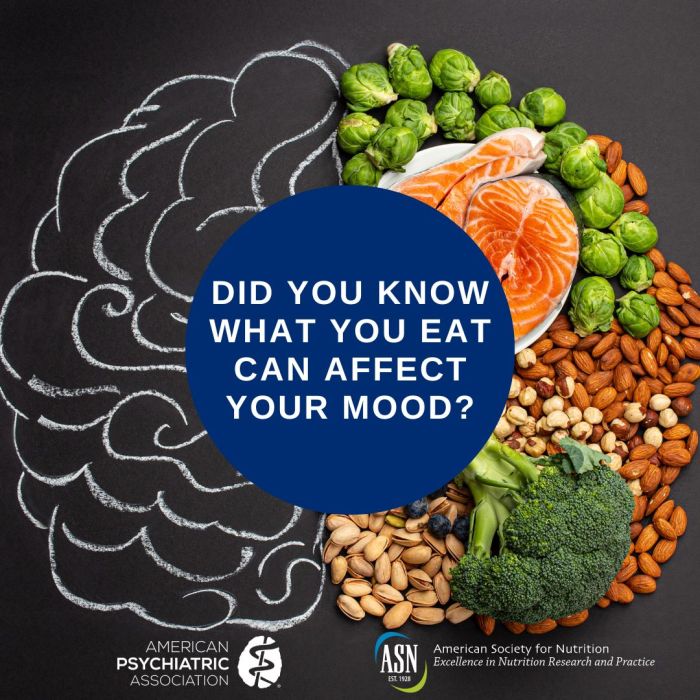
Proper nutrition plays a crucial role in maintaining cardiovascular health, which in turn impacts our mental well-being. A balanced diet rich in fruits, vegetables, whole grains, lean proteins, and healthy fats can help lower the risk of heart disease, reduce inflammation, and regulate blood pressure and cholesterol levels.
Impact of Cardiovascular Exercise on Cognitive Function
Regular cardiovascular exercise, such as running, swimming, or cycling, has been shown to have a positive impact on cognitive function. Physical activity increases blood flow to the brain, promoting the growth of new blood vessels and brain cells. This can lead to improved memory, focus, and overall cognitive function.
- Engaging in aerobic exercises for at least 30 minutes most days of the week can help improve cognitive function and mental clarity.
- Cardiovascular exercise releases endorphins, which are neurotransmitters that help reduce stress, anxiety, and depression.
- Combining cardiovascular exercise with strength training can further enhance brain health by promoting neuroplasticity and stimulating the release of growth factors that support brain function.
Tips for Incorporating Heart-Healthy Foods for Improved Mental Health
Eating a diet rich in heart-healthy foods can not only benefit your cardiovascular health but also support your mental well-being. Here are some tips for incorporating these foods into your daily meals:
- Include fatty fish like salmon, mackerel, or trout in your diet, as they are rich in omega-3 fatty acids that can help reduce inflammation and support brain health.
- Snack on nuts and seeds, which are good sources of healthy fats, fiber, and antioxidants that can protect your heart and brain.
- Opt for whole grains like brown rice, quinoa, or oats, which provide energy and essential nutrients for brain function.
- Incorporate leafy greens, berries, and citrus fruits into your meals, as they are packed with vitamins, minerals, and antioxidants that support heart health and cognitive function.
Clean Eating
Clean eating refers to consuming whole, unprocessed foods in their natural state and avoiding highly processed and refined products. This approach to nutrition focuses on nourishing the body with nutrient-dense foods while eliminating artificial additives, preservatives, and excess sugars and fats.
Clean eating is not just about physical health but also plays a crucial role in supporting mental wellness.
Benefits of Clean Eating for Mental Wellness
- Promotes Emotional Balance: Clean eating can help stabilize blood sugar levels, which in turn can regulate mood swings and prevent emotional disturbances. By avoiding processed foods, individuals can support their mental health and reduce the risk of anxiety and depression.
- Enhances Cognitive Function: Consuming a diet rich in whole foods, such as fruits, vegetables, whole grains, and lean proteins, provides essential nutrients that support brain health and cognitive function. Clean eating can improve focus, concentration, and overall mental clarity.
- Supports Overall Well-Being: By nourishing the body with wholesome foods, individuals can boost their energy levels, strengthen their immune system, and maintain a healthy weight. These factors contribute to a sense of well-being and can positively impact mental health.
Holistic Health
Proper mental well-being encompasses more than just the absence of illness. It involves a holistic approach that considers the interconnectedness of the mind, body, and spirit. Holistic health focuses on achieving balance and harmony in all aspects of life to promote overall wellness.
Impact of Holistic Nutrition on Emotional Balance
Holistic nutrition plays a vital role in maintaining emotional balance by providing the body with essential nutrients that support brain function and regulate mood. A diet rich in whole foods, such as fruits, vegetables, whole grains, and lean proteins, can help stabilize blood sugar levels and reduce inflammation, which are crucial for mental health.
Additionally, incorporating mindfulness practices while eating, such as paying attention to hunger cues and savoring each bite, can enhance the mind-body connection and promote emotional well-being.
Holistic Practices for Mental Wellness
- Mindfulness Meditation: Engaging in mindfulness meditation can help reduce stress, anxiety, and depression by promoting self-awareness and emotional regulation.
- Yoga: Practicing yoga can improve mental clarity, reduce tension, and enhance relaxation, leading to a more balanced state of mind.
- Acupuncture: This traditional Chinese medicine practice involves inserting thin needles into specific points on the body to restore energy flow and promote emotional equilibrium.
- Herbal Remedies: Certain herbs, such as ashwagandha, lavender, and chamomile, have calming properties that can help alleviate symptoms of anxiety and promote relaxation.
- Aromatherapy: Using essential oils like lavender, rosemary, and bergamot can help reduce stress, improve mood, and enhance overall mental well-being through their aromatherapeutic effects.
Epilogue
In conclusion, the discussion on Benefits of proper nutrition for mental health highlights the vital role of nutrition in maintaining mental well-being. By making informed choices about what we eat and prioritizing a healthy lifestyle, individuals can enhance their emotional balance, cognitive function, and overall quality of life.
Answers to Common Questions
How does nutrition impact mental health?
Nutrition plays a crucial role in mental health by providing essential nutrients that support brain function and emotional well-being.
Can specific foods help improve mental health?
Yes, certain nutrient-rich foods like fatty fish, berries, nuts, and leafy greens have been linked to improved mental health.
Is there a connection between hydration and mental clarity?
Adequate hydration is essential for maintaining cognitive function and promoting mental clarity.
How does stress management relate to proper nutrition?
Proper nutrition can help in managing stress levels by including foods rich in vitamins, minerals, and antioxidants that support stress reduction.
What role does sleep play in mental health?
Quality sleep is crucial for mental health as it allows the brain to rest and recharge, impacting cognitive function and emotional balance.


