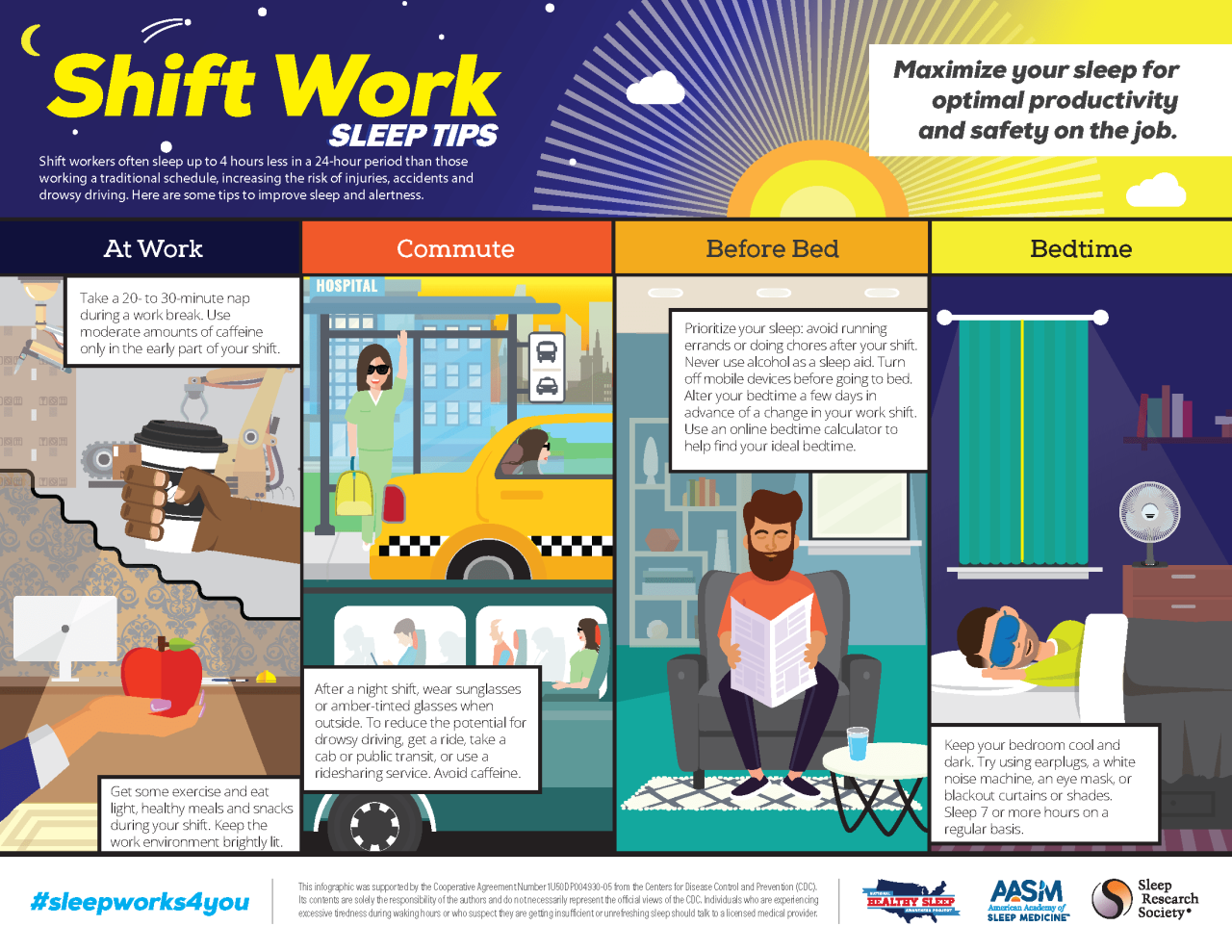
How to handle shift work and maintain quality sleep sets the stage for this enthralling narrative, offering readers a glimpse into a story that is rich in detail with casual formal language style and brimming with originality from the outset.
Shift work can be challenging, affecting both your work performance and sleep quality. In this guide, we explore practical tips and strategies to help you navigate shift work while ensuring you get the quality sleep your body needs.
Balanced Diet
Maintaining a balanced diet is crucial for shift workers to support their overall health and well-being, as well as to ensure quality sleep. A balanced diet provides the necessary nutrients to help the body cope with irregular working hours and promotes better sleep patterns.
Importance of Nutrient-Rich Foods
Eating nutrient-rich foods is essential for shift workers to stay energized and focused during their shifts. Foods high in vitamins, minerals, and antioxidants can help reduce fatigue and improve overall health. Incorporating a variety of nutrient-rich foods into meals can also support the body’s immune system and reduce the risk of chronic diseases.
- Leafy green vegetables like spinach and kale are rich in vitamins A, C, and K, as well as minerals like iron and calcium.
- Lean proteins such as chicken, turkey, and fish provide essential amino acids for muscle repair and energy production.
- Whole grains like quinoa, brown rice, and oats are high in fiber and complex carbohydrates, which can help regulate blood sugar levels and provide sustained energy.
- Fruits like berries, citrus fruits, and bananas are packed with vitamins, antioxidants, and fiber to support overall health.
- Dairy or dairy alternatives like yogurt, cheese, and fortified plant-based milks offer calcium, vitamin D, and protein for bone health and muscle function.
Meal Planning for Healthy Eating
Meal planning can be a useful strategy for shift workers to maintain a healthy diet despite working irregular hours. By preparing meals in advance, shift workers can ensure they have nutritious options readily available and avoid relying on fast food or unhealthy snacks during their shifts.
- Plan meals that include a balance of protein, carbohydrates, and healthy fats to provide sustained energy throughout the day or night.
- Prepare and pack meals/snacks that are easy to eat on breaks or during shifts, such as salads, sandwiches, wraps, or fruit and nut mixes.
- Include a variety of colors in meals to ensure a range of nutrients and antioxidants are consumed for overall health and well-being.
- Stay hydrated by drinking plenty of water throughout the day and limit the intake of sugary beverages or caffeinated drinks close to bedtime to promote quality sleep.
Mental Wellness
Shift work can have a significant impact on mental wellness and sleep quality due to the disruption of the body’s natural circadian rhythm. This can lead to increased stress, anxiety, mood swings, and difficulty concentrating, ultimately affecting overall mental well-being.
Strategies for Promoting Mental Well-Being
- Establish a consistent sleep schedule: Try to maintain a regular bedtime and wake-up time, even on days off, to help regulate your body’s internal clock.
- Create a relaxing bedtime routine: Engage in calming activities before bed, such as reading, taking a warm bath, or practicing meditation, to signal to your body that it’s time to wind down.
- Stay physically active: Regular exercise can help reduce stress, improve mood, and promote better sleep quality, even with a non-traditional work schedule.
- Eat a balanced diet: Consuming nutritious meals and staying hydrated can support overall mental and physical well-being, providing the energy needed to cope with shift work demands.
Importance of Stress Management Techniques
Stress management is crucial for shift workers to cope with the demands of irregular work hours and mitigate the negative impact on mental health. Utilizing techniques such as deep breathing exercises, mindfulness meditation, yoga, or seeking professional counseling can help reduce stress levels and promote mental wellness.
Physical Fitness
Regular physical fitness plays a crucial role in improving sleep quality for individuals working shifts. Engaging in exercise routines can help regulate the body’s internal clock, reduce stress, and promote relaxation, leading to better sleep patterns.
Simple Exercises for Shift Workers
- Cardiovascular exercises like brisk walking, jogging, or cycling can help boost energy levels during shifts and improve overall cardiovascular health.
- Strength training exercises using body weight or resistance bands can build muscle strength and endurance, aiding in better physical performance at work.
- Stretching exercises like yoga or Pilates can help reduce muscle tension and promote relaxation, preparing the body for restful sleep after a shift.
Benefits of Regular Exercise
Regular exercise not only improves overall health but also positively impacts sleep patterns for shift workers. Some benefits include:
- Increased production of endorphins, which can help reduce stress and improve mood.
- Enhanced physical stamina and endurance, leading to better performance and productivity at work.
- Improved circulation and oxygen flow, contributing to better sleep quality and overall well-being.
Adequate Hydration
Maintaining adequate hydration is crucial for shift workers to support optimal sleep quality and overall well-being. Dehydration can lead to fatigue, headaches, and difficulty concentrating, all of which can impact job performance and disrupt sleep patterns.
Tips for Staying Hydrated
- Carry a reusable water bottle with you throughout your shift to ensure easy access to water.
- Set reminders on your phone or watch to drink water at regular intervals, especially during busy work hours.
- Avoid excessive consumption of caffeinated beverages, as they can contribute to dehydration.
- Incorporate hydrating foods into your meals, such as fruits and vegetables with high water content.
Impact of Dehydration
Dehydration can significantly impact energy levels and overall well-being for shift workers. Lack of proper hydration can lead to decreased cognitive function, increased feelings of fatigue, and even mood disturbances. It is essential to prioritize hydration to maintain optimal performance and sleep quality during irregular work hours.
Regular Exercise
Regular exercise plays a crucial role in maintaining a healthy lifestyle, especially for shift workers. Engaging in physical activity not only helps in promoting better overall health but also contributes to improving sleep quality and daytime alertness.
Examples of Exercises
- Cardiovascular exercises like running, cycling, or swimming can help in reducing stress and anxiety levels, leading to better sleep.
- Strength training exercises such as weightlifting or bodyweight exercises can improve muscle strength and enhance overall physical fitness, which can positively impact sleep patterns.
- Yoga or stretching exercises can help in relaxing the body and mind, promoting a state of calmness before bedtime, thus aiding in falling asleep faster.
Benefits of Physical Activity for Sleep Quality
Regular exercise has been linked to improved sleep quality by helping regulate the body’s internal clock and promoting relaxation. Physical activity can also reduce the symptoms of insomnia and other sleep disorders, allowing for a more restful and rejuvenating sleep.
Additionally, engaging in exercise during the day can boost energy levels and alertness, making it easier to stay awake and focused during night shifts.
Healthy Lifestyle
Maintaining a healthy lifestyle while working shifts is essential for overall well-being. By incorporating healthy habits into your routine, you can improve your quality of life and enhance your ability to handle the demands of shift work.Establishing a routine for meals, exercise, and sleep can have numerous benefits.
Consistency in these areas can help regulate your body’s internal clock, leading to better quality sleep and improved energy levels throughout the day. Additionally, a healthy lifestyle can contribute to better mental clarity, increased productivity, and a reduced risk of chronic health conditions.
Benefits of Establishing a Routine
- Regular meal times can help stabilize blood sugar levels and prevent overeating.
- Consistent exercise routines can boost mood, reduce stress, and improve overall physical health.
- A set sleep schedule can improve sleep quality and ensure adequate rest for optimal functioning.
Nutrient-Rich
Proper nutrition is essential for shift workers to maintain energy levels and support overall health. Nutrient-rich foods play a crucial role in preventing fatigue during shifts by providing the necessary vitamins, minerals, and antioxidants needed for optimal functioning.
Examples of Nutrient-Rich Foods
- Fatty fish such as salmon and mackerel, rich in omega-3 fatty acids, which are important for brain function and reducing inflammation.
- Dark leafy greens like spinach and kale, packed with vitamins A, C, and K, as well as minerals like iron and calcium.
- Whole grains such as quinoa and brown rice, high in fiber, B vitamins, and essential minerals like magnesium and selenium.
- Lean proteins like chicken, turkey, and tofu, providing amino acids necessary for muscle repair and energy production.
- Fruits like berries, oranges, and bananas, loaded with antioxidants, fiber, and natural sugars for a quick energy boost.
Stress Management: How To Handle Shift Work And Maintain Quality Sleep
Stress management is crucial for individuals working irregular hours to maintain their well-being and productivity. High levels of stress can significantly impact sleep quality and overall health, leading to various health issues if not addressed effectively.
Effective Stress Management Techniques
- Practice relaxation techniques such as deep breathing, meditation, or yoga before and after shifts to calm the mind and body.
- Engage in regular physical activity to reduce stress hormones and promote mental well-being.
- Establish a support system with colleagues or friends to share experiences and seek advice on coping with work-related stress.
- Set boundaries between work and personal life to prevent burnout and maintain a healthy work-life balance.
- Avoid excessive caffeine or alcohol consumption, as they can worsen stress levels and disrupt sleep patterns.
Preventive Care
Shift workers face unique challenges that can impact their health and well-being. Implementing preventive care measures is crucial to ensure they maintain good health and quality sleep.Regular health check-ups and screenings play a vital role in detecting any potential health issues early on.
This proactive approach allows for timely interventions and treatments, preventing more serious health complications down the line.
Importance of Regular Health Check-ups and Screenings
Regular health check-ups, including blood pressure, cholesterol, and blood sugar screenings, are essential for shift workers. These screenings can help monitor their overall health status and identify any abnormalities that may require further evaluation or treatment.Preventive care through regular health check-ups can contribute to maintaining overall well-being for shift workers.
By addressing any health concerns promptly, they can improve their quality of life and ensure they are in optimal health to cope with the demands of their work schedule.
Proper Nutrition
Proper nutrition plays a crucial role in supporting the body’s circadian rhythm, especially for shift workers. The timing and composition of meals can significantly impact sleep quality, energy levels, and overall well-being.
Meal Timing and Composition
Planning nutritious meals is essential for shift workers to optimize their energy levels and sleep patterns. Here are some tips to help you make the most of your meals:
- Aim for balanced meals that include a mix of macronutrients such as carbohydrates, proteins, and healthy fats.
- Try to have your main meal during the first half of your shift to provide sustained energy throughout the night.
- Avoid heavy or large meals close to bedtime, as they can disrupt sleep. Opt for lighter options instead.
- Include snacks rich in protein and fiber to keep you full and prevent energy crashes during your shift.
- Stay hydrated by drinking water regularly throughout your shift to maintain focus and prevent dehydration.
Quality Sleep
Quality sleep is crucial for shift workers as it plays a vital role in overall health and well-being. It helps in maintaining cognitive function, emotional stability, and physical health. Without adequate and quality sleep, shift workers may experience increased stress, fatigue, decreased productivity, and a higher risk of accidents.
Sleep-Friendly Environment
Creating a sleep-friendly environment despite irregular work hours is essential for shift workers. Tips include:
- Avoiding exposure to bright lights before bedtime
- Keeping the bedroom dark, quiet, and cool
- Investing in comfortable bedding and a supportive mattress
- Establishing a relaxing bedtime routine
Sleep Hygiene and Routine
Improving sleep hygiene and establishing a consistent sleep routine can help shift workers get better quality sleep. Strategies include:
- Setting a regular sleep schedule, even on days off
- Avoiding caffeine and heavy meals close to bedtime
- Limiting screen time before bed
- Engaging in relaxation techniques such as deep breathing or meditation
Cardio Health
Regular cardiovascular exercise plays a crucial role in maintaining overall health and well-being, especially for individuals working shifts. Not only does it improve heart health and circulation, but it can also have a positive impact on sleep quality and energy levels.
Benefits of Cardiovascular Exercise for Shift Workers, How to handle shift work and maintain quality sleep
Cardio workouts help in reducing stress levels, improving mood, and boosting overall energy throughout the day. By engaging in regular cardiovascular exercise, shift workers can enhance their cardiovascular health, increase endurance, and strengthen their immune system.
- Improves heart health and circulation
- Boosts overall energy levels
- Enhances mood and reduces stress
- Strengthens immune system
Cardio Exercises Suitable for Shift Workers
Shift workers can incorporate various cardio exercises into their routine to reap the benefits of physical activity. Some examples of cardio workouts suitable for shift workers include:
- Running or jogging
- Cycling
- Jump rope exercises
- Dancing or aerobic classes
Immune Boost
Maintaining good sleep habits is crucial for boosting the immune system, especially for shift workers. The quality of sleep directly impacts the body’s ability to fight off infections and illnesses. When sleep is disrupted or inadequate, the immune system weakens, making individuals more susceptible to getting sick.
Tips for Supporting Immune Health
- Avoid caffeine and heavy meals close to bedtime to improve sleep quality.
- Establish a relaxing bedtime routine to signal to your body that it’s time to wind down.
- Ensure your sleep environment is dark, quiet, and at a comfortable temperature.
- Practice stress-reducing techniques like meditation or deep breathing exercises to promote restful sleep.
- Stay hydrated throughout the day to support overall health and immune function.
Remember, a well-rested body is better equipped to defend itself against infections and maintain overall health.
Positive Mindset
Maintaining a positive mindset while working shifts is crucial for overall well-being. It can help reduce stress, improve mood, and enhance productivity. A positive outlook can also have a direct impact on sleep quality, leading to better rest and recovery.
Cultivating Resilience and Optimism
- Practice gratitude: Take time to appreciate the positive aspects of your job and life in general. Keeping a gratitude journal can help shift your focus towards the good things.
- Stay connected: Build a support system with colleagues, friends, and family. Sharing experiences and emotions can help you feel understood and supported.
- Engage in self-care activities: Prioritize activities that bring you joy and relaxation, such as hobbies, exercise, or meditation. Taking care of your mental health is essential for resilience.
- Acknowledge challenges: Accept that shift work can be demanding and challenging at times. By acknowledging difficulties, you can find ways to cope and overcome obstacles.
Clean Eating
Clean eating involves consuming whole, minimally processed foods that are as close to their natural state as possible. This approach focuses on fresh fruits, vegetables, lean proteins, whole grains, and healthy fats, while avoiding processed foods, added sugars, and artificial ingredients.
For shift workers, clean eating can offer numerous benefits in terms of energy levels, sleep quality, and overall health.
Benefits of Clean Eating for Shift Workers
Clean eating can help shift workers maintain stable energy levels throughout their shifts, reducing the need for sugary snacks or caffeinated beverages to stay alert. By providing essential nutrients and antioxidants, clean eating can also support better sleep quality, making it easier for shift workers to fall asleep and stay asleep during the day.
Examples of Clean Eating Habits
- Eating a balanced breakfast with whole grains, protein, and healthy fats to kickstart the day
- Packing homemade meals and snacks rich in fruits, vegetables, and nuts to avoid relying on vending machine options
- Drinking plenty of water throughout the shift to stay hydrated and avoid sugary beverages
- Choosing lean proteins like chicken, fish, or tofu for sustained energy without the crash
- Opting for whole grains like quinoa, brown rice, or oats for lasting energy and fiber
Avoiding Processed Foods for Better Health
Consuming processed foods high in added sugars, unhealthy fats, and artificial ingredients can lead to inflammation, digestive issues, and energy crashes for shift workers. By prioritizing whole, nutrient-dense foods instead, individuals working irregular hours can improve their overall health, reduce the risk of chronic diseases, and enhance their well-being.
Daily Activity
Incorporating daily activity into the routine of shift workers is crucial for maintaining physical health and promoting better sleep. Staying active not only helps with overall well-being but also boosts energy levels and enhances productivity during work shifts.
Importance of Daily Activity for Shift Workers
- Engaging in physical activity can help combat the sedentary nature of many shift jobs, reducing the risk of health issues such as obesity, cardiovascular diseases, and musculoskeletal problems.
- Regular exercise has been shown to improve mood, reduce stress, and enhance cognitive function, which are essential for shift workers dealing with irregular sleep patterns.
Tips for Staying Active at Work
- Take short walks during breaks to stretch your legs and get some fresh air.
- Use stairs instead of elevators whenever possible to sneak in some extra physical activity.
- Perform simple desk exercises like leg raises, shoulder rolls, or standing calf raises to keep your body moving.
Examples of Simple Activities for Better Health and Sleep
- Yoga or stretching exercises before or after a shift can help relax muscles and improve flexibility, promoting better sleep quality.
- Taking a brisk walk or jog after work can help clear the mind, reduce stress, and prepare the body for restful sleep.
- Dancing to your favorite music during breaks can be a fun way to boost mood, increase heart rate, and stay active throughout the day.
Holistic Health
Holistic health focuses on the overall well-being of an individual, considering physical, mental, emotional, and spiritual aspects to achieve optimal health. For shift workers, embracing a holistic approach is crucial as it addresses the unique challenges they face in maintaining a healthy lifestyle and quality sleep.
Physical Well-being
- Engage in regular exercise to boost energy levels and improve physical strength.
- Follow a balanced diet rich in nutrients to support overall health and immune function.
- Stay hydrated throughout the day to promote optimal bodily functions.
Mental and Emotional Well-being
- Practice stress management techniques such as meditation or deep breathing exercises to reduce anxiety and promote relaxation.
- Foster a positive mindset by focusing on gratitude and self-care activities.
- Seek support from friends, family, or a counselor to address any emotional challenges effectively.
Quality Sleep Support
- Create a sleep-friendly environment by keeping your bedroom dark, quiet, and cool.
- Establish a bedtime routine to signal your body that it’s time to rest and unwind.
- Avoid stimulants like caffeine and electronic devices before bedtime to promote better sleep quality.
Mindful Living
In today’s fast-paced world, mindful living has become increasingly important, especially for individuals working irregular hours. This practice involves being fully present and aware of your thoughts, feelings, and surroundings without judgment.
Benefits of Mindful Living for Shift Workers
- Improved Stress Management: By practicing mindfulness, shift workers can learn to cope with stress more effectively, reducing the negative impact it has on their overall well-being.
- Enhanced Sleep Quality: Mindful living can help shift workers calm their minds before bed, leading to better sleep quality and overall restfulness.
- Increased Focus and Productivity: By practicing mindfulness, individuals can improve their concentration and focus at work, ultimately leading to increased productivity and efficiency.
- Emotional Regulation: Mindful living can help shift workers regulate their emotions, leading to better interpersonal relationships and overall mental health.
Practicing Mindfulness Techniques
- Deep Breathing Exercises: Taking deep breaths and focusing on the sensation of breathing can help shift workers calm their minds and reduce stress.
- Body Scan Meditation: This involves mentally scanning your body from head to toe, noting any areas of tension and consciously releasing that tension.
- Mindful Walking: Engaging in mindful walking can help shift workers connect with their surroundings, reduce stress, and improve focus.
- Gratitude Practice: Taking time each day to reflect on what you are grateful for can shift your mindset to a more positive and mindful state.
Enhanced Well-being and Productivity
- Improved Emotional Resilience: Mindful living can help shift workers build emotional resilience, allowing them to navigate challenges more effectively.
- Better Work-Life Balance: By incorporating mindfulness into their daily routine, shift workers can achieve a better balance between work and personal life.
- Enhanced Creativity: Mindful living can stimulate creativity and innovation, leading to improved problem-solving skills and overall job performance.
- Increased Self-awareness: Practicing mindfulness can help shift workers become more self-aware, leading to better decision-making and personal growth.
Emotional Balance
Emotional balance is crucial for shift workers as irregular work hours can often lead to heightened stress levels and emotional fluctuations. Managing emotions effectively can not only improve sleep quality but also enhance overall mental well-being.
Strategies for Managing Emotions
- Acknowledge and accept your emotions: Recognize and validate your feelings without judgment. This can help prevent emotional suppression and promote self-awareness.
- Practice relaxation techniques: Engage in activities like deep breathing, meditation, or yoga to calm your mind and reduce stress levels.
- Seek social support: Talk to friends, family, or a therapist about your emotions. Having a support system can provide comfort and perspective.
- Engage in hobbies or activities you enjoy: Doing things that bring you joy can help distract you from negative emotions and boost your mood.
- Set boundaries: Establish limits on work-related stressors and prioritize self-care to prevent emotional burnout.
Benefits of Emotional Balance
Emotional balance can lead to improved sleep quality, reduced anxiety, enhanced resilience, and better overall mental health.
Health Education
Health education plays a crucial role in empowering shift workers to make informed choices about their well-being. By providing them with the necessary knowledge and resources, individuals can better understand how to maintain their health while working irregular hours.
Accessing Reliable Information
It is essential for shift workers to have access to reliable resources that offer guidance on maintaining health during unconventional work schedules. Websites of reputable health organizations, such as the CDC or WHO, can provide valuable information on sleep hygiene, nutrition, and overall wellness tailored to shift workers’ needs.
Impact on Well-being and Quality Sleep
Health education not only equips individuals with the knowledge to make healthier choices but also has a significant impact on promoting well-being and quality sleep for those with irregular work schedules. Understanding the importance of proper sleep hygiene, stress management techniques, and the effects of shift work on the body can lead to improved overall health outcomes.
Self-Care
Self-care is crucial for individuals working irregular shifts, as it helps maintain overall well-being and supports quality sleep. By incorporating self-care practices into their routine, shift workers can recharge and rejuvenate during non-traditional work hours, leading to improved health outcomes.
Self-Care Tips for Shift Workers
- Avoid excessive caffeine intake, especially towards the end of your shift, to prevent interference with your sleep patterns.
- Establish a relaxing pre-sleep routine to signal to your body that it’s time to wind down and prepare for rest.
- Engage in mindfulness activities such as meditation or deep breathing exercises to reduce stress and promote relaxation.
- Stay connected with friends and family members to maintain a support system and foster emotional well-being.
- Make time for hobbies or activities you enjoy outside of work to create a sense of balance and fulfillment in your life.
Importance of Prioritizing Self-Care
Self-care is not a luxury but a necessity, especially for shift workers. Prioritizing self-care helps reduce the risk of burnout, enhances resilience to stress, and supports overall health and sleep quality. By taking care of themselves physically, mentally, and emotionally, individuals can perform better at work and enjoy a higher quality of life despite their unconventional schedules.
Chronic Disease
Shift work and sleep disturbances can significantly increase the risk of developing chronic diseases. The disruption of the body’s natural circadian rhythm due to irregular work hours can lead to various health issues over time.
Impact of Shift Work on Chronic Conditions
- Shift work has been linked to an increased risk of obesity, diabetes, cardiovascular diseases, and certain types of cancer.
- Irregular sleep patterns and inadequate rest can contribute to inflammation, insulin resistance, and hormonal imbalances, which are key factors in the development of chronic conditions.
- Chronic sleep deprivation, common among shift workers, can weaken the immune system and impair overall health, making individuals more susceptible to chronic diseases.
Closing Notes
In conclusion, managing shift work and prioritizing quality sleep is crucial for overall well-being. By following the tips provided in this guide, you can maintain a healthy balance between work and rest, leading to a more fulfilling lifestyle.
FAQ
How can I improve my sleep quality while working shifts?
Try to establish a consistent sleep schedule, create a relaxing bedtime routine, and ensure your sleep environment is conducive to rest.
What are some nutrient-rich foods ideal for shift workers?
Include foods like fruits, vegetables, lean proteins, whole grains, and nuts in your diet to support your energy levels and overall health.
How does stress affect sleep quality for shift workers?
Stress can disrupt your sleep patterns and make it harder to fall asleep. Practicing stress management techniques can help improve your sleep quality.