Starting with How to monitor progress in improving cardio health, this guide aims to provide valuable insights and practical advice on enhancing heart health. Dive into the details below to discover effective strategies and tools for tracking your cardio journey.
Whether you’re just beginning your fitness routine or looking to take your cardiovascular health to the next level, monitoring your progress is key to achieving your goals. By implementing the right techniques and staying committed, you can optimize your heart health and overall well-being.
Balanced Diet
Eating a balanced diet plays a crucial role in improving cardiovascular health. A diet rich in nutrients can help lower the risk of heart disease, high blood pressure, and other cardiovascular issues. It is important to incorporate a variety of foods to ensure you are getting essential vitamins and minerals that support heart health.
Nutrient-Rich Foods for Cardiovascular Health
- Leafy green vegetables like spinach, kale, and collard greens are rich in antioxidants, vitamins, and minerals that support heart health.
- Fatty fish such as salmon, mackerel, and sardines are high in omega-3 fatty acids, which can help reduce inflammation and lower the risk of heart disease.
- Whole grains like oats, quinoa, and brown rice are excellent sources of fiber, which can help lower cholesterol levels and improve heart health.
- Fruits like berries, oranges, and apples are packed with vitamins, minerals, and antioxidants that are beneficial for the heart.
- Nuts and seeds, such as almonds, walnuts, and chia seeds, are rich in healthy fats, fiber, and antioxidants that support cardiovascular health.
Creating a Heart-Healthy Meal Plan
When planning your meals to improve cardio health, focus on incorporating a variety of nutrient-dense foods from different food groups. Include a balance of lean proteins, whole grains, fruits, vegetables, and healthy fats. Limit the intake of processed foods, sugary beverages, and foods high in saturated fats and trans fats.
Mental Wellness
When it comes to cardiovascular health, mental wellness plays a crucial role in overall well-being. The mind and body are deeply connected, and stress, anxiety, and negative emotions can have a direct impact on heart health.
Strategies for Reducing Stress and Improving Emotional Balance
- Avoiding or managing stressful situations can help reduce the strain on the heart. Incorporating relaxation techniques such as deep breathing, meditation, or yoga can promote emotional balance.
- Regular physical activity not only benefits the heart but also releases endorphins that help improve mood and reduce stress levels.
- Maintaining a strong support system of friends and family can provide emotional support during challenging times, reducing the risk of heart-related issues.
- Seeking professional help through therapy or counseling can be beneficial in addressing underlying emotional issues that may be impacting heart health.
Impact of a Positive Mindset on Heart Health
A positive mindset can have a significant impact on overall heart health. Optimism, gratitude, and a sense of purpose can lead to lower stress levels, reduced inflammation in the body, and better cardiovascular function.
Physical Fitness
Regular physical activity plays a crucial role in monitoring and enhancing cardio health. By engaging in exercises that target cardiovascular fitness, individuals can strengthen their heart and improve overall well-being. Let’s delve into the details of how physical fitness contributes to a healthier heart.
Effective Exercises for Improving Cardiovascular Fitness
- Cardiovascular exercises such as running, cycling, swimming, and aerobics are excellent for improving heart health. These activities help increase heart rate, strengthen the heart muscle, and improve circulation.
- High-intensity interval training (HIIT) is another effective exercise method for enhancing cardiovascular fitness. It involves alternating between short bursts of intense exercise and brief rest periods, which can boost heart health and endurance.
- Strength training, including weightlifting and bodyweight exercises, can also benefit cardiovascular fitness by improving overall muscle strength and endurance, which supports heart function during physical activity.
Role of Regular Physical Activity in Heart Health
Regular physical activity contributes to a healthier heart by:
- Reducing the risk of heart disease by lowering blood pressure, cholesterol levels, and maintaining a healthy weight.
- Improving circulation and oxygen delivery throughout the body, including the heart muscle.
- Enhancing the efficiency of the heart by increasing its ability to pump blood effectively during exercise and at rest.
Adequate Hydration
Proper hydration is crucial for maintaining good cardiovascular health. Water plays a vital role in various bodily functions, including the circulation of blood and the delivery of nutrients to cells.
Guidelines for Daily Water Intake
- On average, it is recommended that adults drink about 8-10 cups of water per day to ensure optimal heart function.
- Factors like age, weight, activity level, and climate can influence the amount of water needed, so adjust accordingly.
Importance of Hydration for Heart Health
Staying hydrated can help regulate blood pressure, prevent dehydration, and support the heart in pumping blood more efficiently throughout the body.
Regular Exercise
Regular exercise plays a crucial role in improving cardiovascular health by strengthening the heart and improving circulation. It helps lower blood pressure, reduce cholesterol levels, control blood sugar, and manage weight, all of which contribute to a healthier heart.
Benefits of Regular Exercise on Cardiovascular Health:
- Improves heart function and efficiency
- Increases lung capacity
- Reduces the risk of heart disease and stroke
- Helps manage stress and improve overall well-being
Examples of Cardio Exercises for Heart Health:
- Brisk walking or jogging
- Cycling
- Swimming
- Aerobics or dance workouts
Creating an Exercise Routine to Monitor Progress:
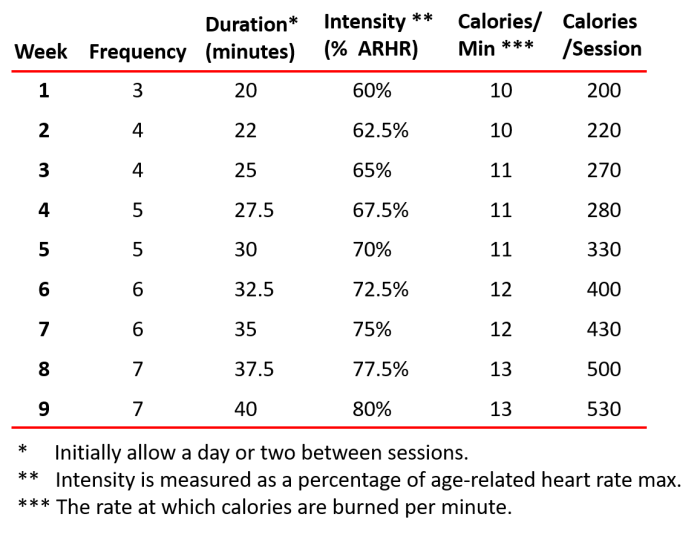
Regularly monitoring progress in improving cardio health involves setting specific goals, tracking workouts, and measuring key indicators such as heart rate, duration, and intensity of exercise. It is important to gradually increase the intensity and duration of workouts to continue challenging the heart and seeing improvements over time.
Healthy Lifestyle: How To Monitor Progress In Improving Cardio Health
Maintaining a healthy lifestyle is crucial for promoting heart health and overall well-being. By incorporating heart-healthy habits into your daily routine, you can significantly reduce the risk of cardiovascular diseases and improve your quality of life.
Components of a Healthy Lifestyle
- Balanced Diet: Consuming a variety of nutrient-rich foods, including fruits, vegetables, whole grains, lean proteins, and healthy fats, is essential for heart health.
- Regular Exercise: Engaging in physical activity for at least 30 minutes a day can help strengthen the heart muscle, improve circulation, and reduce the risk of heart disease.
- Adequate Hydration: Drinking plenty of water throughout the day helps maintain proper hydration levels, which is essential for heart health.
- Mental Wellness: Managing stress, getting enough sleep, and practicing relaxation techniques can positively impact heart health and overall well-being.
- Avoiding Harmful Habits: Quitting smoking, limiting alcohol intake, and avoiding recreational drugs are crucial for maintaining a healthy heart.
Tips for Incorporating Heart-Healthy Habits
- Plan and prepare nutritious meals ahead of time to avoid unhealthy food choices.
- Schedule regular exercise sessions into your daily routine, such as walking, jogging, cycling, or swimming.
- Practice mindfulness and stress-reducing activities like yoga, meditation, or deep breathing exercises.
- Surround yourself with a supportive network of family and friends who encourage healthy behaviors.
Long-Term Benefits of Maintaining a Healthy Lifestyle
- Reduced risk of heart disease, stroke, and other cardiovascular conditions.
- Improved overall health and longevity.
- Enhanced quality of life and increased energy levels.
- Better mood and mental well-being.
Nutrient-Rich
Nutrient-rich foods play a crucial role in maintaining optimal cardiovascular health by providing essential vitamins, minerals, and antioxidants that support heart function and overall well-being.
Essential Nutrients for Heart Function
- Omega-3 Fatty Acids:Found in fatty fish like salmon and mackerel, omega-3 fatty acids help reduce inflammation and lower the risk of heart disease.
- Antioxidants:Vitamins C and E, as well as beta-carotene, help protect the heart from damage by free radicals and reduce the risk of heart disease.
- Magnesium:Important for maintaining a regular heart rhythm and supporting muscle function, magnesium can be found in nuts, seeds, and leafy green vegetables.
- Potassium:Helps regulate blood pressure and prevent heart disease by balancing sodium levels in the body. Bananas, sweet potatoes, and spinach are good sources of potassium.
Prevention of Chronic Diseases
Nutrient-rich foods can help prevent chronic diseases related to the heart, such as coronary artery disease, hypertension, and stroke, by reducing inflammation, improving cholesterol levels, and supporting overall heart function. By incorporating a variety of nutrient-rich foods into your diet, you can support your cardiovascular health and reduce the risk of developing heart-related conditions.
Stress Management
Effective stress management is crucial for improving cardiovascular health. High levels of stress can have a negative impact on heart health, increasing the risk of heart disease and other related conditions. By implementing strategies to reduce stress and practicing mindfulness and relaxation techniques, individuals can significantly benefit their heart health and overall well-being.
Impact of Stress on Heart Health
Stress triggers the release of hormones like adrenaline and cortisol, which can elevate blood pressure, increase heart rate, and constrict blood vessels. Prolonged exposure to stress can lead to chronic inflammation, a risk factor for heart disease. It can also contribute to unhealthy habits like overeating, smoking, or lack of exercise, further compromising cardiovascular health.
- Chronic stress can weaken the immune system and make individuals more susceptible to infections and illnesses.
- Stress-induced behaviors like smoking or excessive drinking can exacerbate heart problems and increase the likelihood of cardiovascular events.
- Managing stress is essential for maintaining a healthy heart and reducing the risk of heart disease.
Mindfulness and Relaxation Techniques for Heart Health
Practicing mindfulness, meditation, deep breathing exercises, and progressive muscle relaxation can help lower stress levels and promote heart health. These techniques can calm the mind, reduce anxiety, and improve overall emotional well-being, which are all beneficial for cardiovascular health.
- Mindfulness meditation involves focusing on the present moment without judgment, which can help individuals manage stress and anxiety effectively.
- Deep breathing exercises can slow down the heart rate, lower blood pressure, and induce a state of relaxation, promoting better heart health.
- Progressive muscle relaxation involves tensing and then relaxing different muscle groups in the body, helping to release physical tension and reduce stress levels.
Preventive Care
Preventive care plays a crucial role in maintaining cardio health by focusing on early detection and intervention to prevent heart issues from escalating. By incorporating preventive measures and regular screenings, individuals can proactively monitor their heart health and take necessary steps to improve it.
Significance of Preventive Care
Regular preventive care helps in identifying risk factors for heart disease such as high blood pressure, cholesterol levels, and diabetes. By addressing these factors early on, individuals can make lifestyle changes and seek appropriate treatment to prevent heart-related complications.
- Monitor blood pressure and cholesterol levels regularly to track any changes.
- Adopt a heart-healthy diet low in saturated fats and rich in fruits, vegetables, and whole grains.
- Avoid smoking and limit alcohol consumption to reduce the risk of heart disease.
- Engage in regular physical activity to maintain a healthy weight and improve cardiovascular fitness.
Role of Regular Check-ups
Regular check-ups with healthcare providers are essential for monitoring heart health and detecting any potential issues early on. These check-ups may include blood tests, ECGs, and other screenings to assess the overall condition of the heart and identify any abnormalities that require further evaluation or treatment.
By staying proactive with preventive care measures and scheduling regular check-ups, individuals can take charge of their heart health and reduce the risk of developing serious cardiovascular conditions.
Proper Nutrition
Proper nutrition plays a crucial role in maintaining and improving cardiovascular health. A well-balanced diet can help lower the risk of heart diseases, control blood pressure, and manage cholesterol levels. By fueling the body with essential nutrients, you can support overall heart function and promote a healthier cardiovascular system.
Guidelines for Balanced Eating Habits
- Aim for a variety of fruits and vegetables to ensure a rich intake of vitamins, minerals, and antioxidants that are beneficial for heart health.
- Incorporate whole grains, lean proteins, and healthy fats into your meals to provide sustained energy and support heart function.
- Limit intake of saturated fats, trans fats, cholesterol, and sodium to reduce the risk of heart diseases and maintain cardiovascular health.
- Monitor portion sizes and avoid overeating to maintain a healthy weight, which is essential for heart health.
Tracking Nutritional Intake for Cardio Health Goals
Keeping track of your nutritional intake is essential to ensure that you are meeting your cardio health goals. You can use food journals or apps to log your meals and snacks, track your calorie intake, and monitor your nutrient consumption.
By reviewing your dietary habits regularly, you can make necessary adjustments to support your cardiovascular health and overall well-being.
Quality Sleep
Quality sleep plays a crucial role in maintaining a healthy heart. Adequate rest during the night allows the body to repair and rejuvenate, supporting overall cardiovascular well-being.
Importance of Quality Sleep for Heart Health
- During deep sleep, the heart rate and blood pressure decrease, giving the heart a much-needed break from the day’s activities.
- Quality sleep helps regulate stress hormones, reducing inflammation and lowering the risk of heart disease.
- Insufficient sleep has been linked to an increased risk of obesity, high blood pressure, and diabetes, all of which are risk factors for heart problems.
Tips for Improving Sleep Quality
- Establish a consistent sleep schedule by going to bed and waking up at the same time every day.
- Create a relaxing bedtime routine to signal to your body that it’s time to wind down, such as reading a book or taking a warm bath.
- Avoid caffeine, heavy meals, and electronic devices before bedtime to promote better sleep quality.
- Ensure your sleeping environment is dark, quiet, and cool to optimize restful sleep.
- Consider incorporating relaxation techniques like deep breathing or meditation to calm the mind before sleep.
Connection Between Sleep Deprivation and Heart Problems
- Chronic sleep deprivation can disrupt the body’s internal clock, leading to imbalances in hormones that regulate heart function.
- Lack of sleep is associated with an increased risk of heart disease, heart attack, stroke, and irregular heartbeats.
- Individuals who consistently get less than 6-7 hours of sleep per night are more likely to develop cardiovascular issues over time.
Cardio Health

Maintaining good cardio health is essential for overall well-being. It involves the efficiency of the heart, blood vessels, and lungs in delivering oxygen and nutrients to the body.
Key Indicators of Good Cardio Health
- Healthy blood pressure levels
- Normal cholesterol levels
- Strong heart rate variability
- Good aerobic fitness
Measuring and Monitoring Progress in Improving Cardio Health
Regularly tracking your cardio health is crucial for making improvements. Here are some ways to measure and monitor progress:
- Keep a record of your resting heart rate and track any changes over time.
- Monitor your blood pressure levels and cholesterol regularly with the help of healthcare professionals.
- Engage in cardio exercises like running, cycling, or swimming and track improvements in endurance and performance.
- Use wearable fitness trackers to monitor your daily physical activity levels and set achievable goals.
Importance of Regular Check-ups and Tests for Maintaining Heart Health
Regular check-ups and tests play a vital role in detecting any potential issues early and ensuring your heart remains healthy. Some key check-ups and tests include:
- Annual physical exams to assess overall health and identify risk factors.
- Blood tests to check cholesterol levels, blood sugar, and other markers of heart health.
- Electrocardiograms (ECG) to monitor heart rhythm and detect irregularities.
- Stress tests to evaluate heart function under physical stress.
Immune Boost
Maintaining a strong immune system is crucial for supporting cardiovascular health. A healthy immune system can help prevent inflammation and infections that may negatively impact the heart. Here are some immune-boosting practices that can benefit overall heart function:
Nutrient-Rich Diet
Eating a diet rich in vitamins, minerals, and antioxidants can help support a strong immune system. Foods like fruits, vegetables, whole grains, and lean proteins provide essential nutrients that can boost immunity and protect the heart.
Regular Exercise
Engaging in regular physical activity can also help boost the immune system and improve cardiovascular health. Exercise helps reduce inflammation, lower blood pressure, and improve circulation, all of which support a healthy heart and immune function.
Stress Management
Chronic stress can weaken the immune system and increase the risk of heart disease. Practicing stress management techniques such as meditation, yoga, deep breathing exercises, or spending time in nature can help reduce stress levels and support overall heart health.
Adequate Sleep
Getting enough quality sleep is essential for a strong immune system and optimal heart function. Lack of sleep can weaken the immune response and increase the risk of heart problems. Aim for 7-9 hours of sleep per night to support both immune and cardiovascular health.
Positive Mindset
Having a positive mindset can significantly impact cardio health by reducing stress levels, improving overall well-being, and promoting healthier lifestyle choices. Optimism and resilience play a crucial role in maintaining a healthy heart.
Strategies for Cultivating a Positive Outlook
- Practice gratitude daily by reflecting on things you are thankful for.
- Avoid negative self-talk and replace it with positive affirmations.
- Engage in activities that bring joy and relaxation, such as hobbies or spending time with loved ones.
- Aim for a growth mindset, viewing challenges as opportunities for learning and growth.
Impact of Optimism and Resilience
Optimism and resilience can help in coping with stress more effectively, leading to lower blood pressure and reduced risk of heart disease.
Individuals with a positive outlook are more likely to adhere to healthy habits like regular exercise and balanced diet, which are essential for cardiovascular health.
Resilience enables individuals to bounce back from setbacks, maintaining motivation and perseverance in achieving heart health goals.
Clean Eating
Clean eating is a nutritional approach that focuses on consuming whole, unprocessed foods in their natural state, while avoiding or minimizing highly processed and refined products. When it comes to cardiovascular health, clean eating plays a crucial role in supporting a healthy heart by providing essential nutrients and reducing the intake of harmful substances.
Examples of Clean Eating Habits
- Include plenty of fruits and vegetables in your diet to boost your intake of vitamins, minerals, and antioxidants that support heart health.
- Choose whole grains like quinoa, brown rice, and oats over refined grains to increase fiber intake and regulate cholesterol levels.
- Opt for lean protein sources such as poultry, fish, beans, and legumes to reduce saturated fat and support muscle function.
- Incorporate healthy fats from sources like avocados, nuts, seeds, and olive oil to promote heart health and reduce inflammation.
Benefits of Minimizing Processed Foods
Minimizing processed foods in your diet can benefit heart health in several ways:
- Lowering the intake of added sugars, trans fats, and sodium that can contribute to heart disease risk factors.
- Increasing the consumption of nutrient-dense foods that provide essential vitamins, minerals, and antioxidants for overall cardiovascular health.
- Supporting weight management and reducing the risk of obesity, which is a major risk factor for heart disease.
- Improving blood pressure, cholesterol levels, and blood sugar control to maintain a healthy cardiovascular system.
Daily Activity
Regular physical activity is crucial for maintaining good cardiovascular health. Engaging in daily movement helps strengthen the heart, improve blood circulation, and lower the risk of heart disease. Consistent activity also plays a key role in enhancing heart function and overall well-being.
Importance of Daily Physical Activity
- Improves heart function and efficiency
- Boosts circulation and oxygen delivery throughout the body
- Helps manage weight and reduce the risk of obesity
- Enhances overall cardiovascular health and reduces the risk of heart disease
Tips for Incorporating More Movement
- Take short walks during breaks at work or at home
- Use stairs instead of elevators whenever possible
- Engage in activities like dancing, cycling, or swimming for fun and fitness
- Join group exercise classes or sports teams to stay motivated and active
- Set realistic goals and track your progress to stay committed to regular physical activity
Holistic Health
Maintaining cardio health through a holistic approach involves focusing on the overall well-being of an individual, encompassing physical, mental, and emotional aspects. By addressing all these components, one can significantly impact heart health and enhance overall cardiovascular wellness.
Physical Well-being
- Engaging in regular physical activity such as cardio exercises, strength training, and flexibility exercises can improve heart health and reduce the risk of cardiovascular diseases.
- Adopting a balanced diet rich in nutrients, fiber, and antioxidants can support heart function and overall well-being.
- Getting adequate sleep each night is essential for heart health as it allows the body to rest and repair itself.
Mental Well-being
- Practicing stress management techniques like meditation, deep breathing exercises, and mindfulness can lower stress levels and reduce the risk of heart problems.
- Maintaining a positive mindset and engaging in activities that bring joy and fulfillment can have a positive impact on heart health.
Emotional Well-being
- Cultivating healthy relationships and social connections can provide emotional support and reduce feelings of loneliness or isolation, which can benefit heart health.
- Seeking therapy or counseling when needed to address emotional issues or trauma can also positively impact heart health.
Mindful Living
Mindful living involves being present and fully engaged in the moment, paying attention to thoughts, feelings, and sensations without judgment. This practice can have significant benefits for heart health by reducing stress, anxiety, and negative emotions that can strain the cardiovascular system.
Benefits of Mindful Living for Heart Health
- Reduces stress hormones like cortisol that can contribute to heart disease.
- Improves emotional well-being, which can positively impact heart health.
- Promotes better sleep quality, which is essential for cardiovascular function.
Tips for Practicing Mindfulness to Support Cardiovascular Well-being
- Start with short meditation sessions to focus on your breath and bodily sensations.
- Practice gratitude and positive thinking to cultivate a more optimistic outlook.
- Avoid multitasking and try to do one thing at a time mindfully.
- Engage in activities like yoga or tai chi that promote mindfulness and physical well-being.
How Mindfulness Can Help in Monitoring and Improving Cardio Health
By being mindful of your thoughts, emotions, and behaviors, you can better understand how they impact your heart health. Mindfulness allows you to tune into your body’s signals, making you more aware of any signs of stress or tension that may affect your cardiovascular system.
This awareness can help you make healthier choices and take proactive steps to care for your heart.
Emotional Balance
Emotional balance plays a crucial role in maintaining cardio health. The connection between emotions and heart health is significant, as stress, anxiety, and negative emotions can impact the cardiovascular system. Achieving emotional equilibrium is essential for a healthier heart and overall well-being.
Strategies for Achieving Emotional Equilibrium
- Acknowledge and express your emotions: It’s important to recognize and address your feelings to prevent emotional buildup that can negatively affect your heart.
- Practice mindfulness and relaxation techniques: Engaging in activities like meditation, deep breathing, or yoga can help reduce stress and promote emotional balance.
- Build a strong support system: Surround yourself with positive and supportive individuals who can provide encouragement and help you manage emotions effectively.
- Engage in activities you enjoy: Pursuing hobbies and activities that bring you joy and fulfillment can boost your mood and emotional well-being.
Emotional Well-Being and Heart Health
Maintaining emotional well-being contributes to overall heart health by reducing the risk of heart disease and other cardiovascular issues. Chronic stress and negative emotions can lead to high blood pressure, inflammation, and other factors that can harm the heart. By prioritizing emotional balance, you can protect your heart and improve your overall quality of life.
Health Education
Health education plays a crucial role in promoting cardiovascular wellness by providing individuals with the knowledge and skills necessary to make informed decisions about their heart health. It empowers people to take control of their well-being and adopt healthy habits that can prevent cardiovascular diseases.
Importance of Staying Informed
Staying informed about heart health topics is essential for maintaining a healthy heart. By staying up to date on the latest research, guidelines, and recommendations, individuals can make educated choices regarding their diet, exercise routine, and lifestyle habits. This knowledge enables them to identify risk factors early on and take proactive measures to protect their cardiovascular health.
Resources for Continuing Education
- Attend workshops, seminars, and webinars conducted by healthcare professionals specializing in cardiovascular health.
- Read reputable sources such as medical journals, websites of heart associations, and government health agencies for the latest information on heart health.
- Take online courses or certifications related to cardiovascular wellness to deepen your understanding of the subject.
- Consult with a healthcare provider or a nutritionist for personalized guidance on maintaining a healthy heart.
Self-Care
Self-care practices play a crucial role in maintaining and improving cardio health. By prioritizing self-care routines, individuals can enhance their overall well-being while specifically benefiting their heart health.
Significance of Self-Care for Cardio Health
Self-care practices such as managing stress, getting quality sleep, and engaging in regular physical activity can significantly impact cardio health. Stress management techniques like meditation or deep breathing exercises help reduce the risk of heart disease by lowering blood pressure and improving heart function.
Adequate sleep allows the heart to rest and recover, promoting optimal cardiovascular function. Regular exercise strengthens the heart muscle, improves circulation, and helps maintain a healthy weight, all of which are essential for cardiovascular health.
Examples of Self-Care Routines for Heart Health, How to monitor progress in improving cardio health
- Engaging in regular exercise, such as cardio workouts, strength training, or yoga.
- Practicing mindfulness and relaxation techniques to reduce stress levels.
- Prioritizing quality sleep by establishing a consistent bedtime routine.
- Eating a balanced diet rich in fruits, vegetables, whole grains, and lean proteins.
- Staying hydrated by drinking an adequate amount of water throughout the day.
Contribution of Self-Care to Overall Well-Being and Heart Health
Self-care not only benefits cardio health but also contributes to overall well-being. By taking care of oneself physically, mentally, and emotionally, individuals can improve their quality of life and reduce the risk of chronic diseases, including heart conditions. Self-care practices promote a holistic approach to health, emphasizing the importance of balance, moderation, and self-awareness in achieving optimal well-being and heart health.
Chronic Disease
Chronic diseases can have a significant impact on cardiovascular health, as they often contribute to the development and progression of heart-related issues. It is crucial to understand the relationship between chronic conditions and heart health in order to effectively manage and prevent potential complications.
Common Chronic Conditions Affecting Heart Health
- High blood pressure: Also known as hypertension, this condition can strain the heart and blood vessels, increasing the risk of heart disease.
- Diabetes: Uncontrolled diabetes can damage blood vessels and nerves, leading to heart complications such as coronary artery disease.
- Obesity: Excess weight puts additional stress on the heart and increases the likelihood of developing cardiovascular issues.
- High cholesterol: Elevated levels of cholesterol can lead to the buildup of plaque in the arteries, restricting blood flow to the heart.
- Chronic stress: Prolonged stress can contribute to high blood pressure and inflammation, impacting heart health over time.
It is essential to address these common chronic conditions in order to maintain a healthy heart and reduce the risk of cardiovascular diseases.
Preventive Measures and Lifestyle Changes for Managing Chronic Diseases
- Regular exercise: Engaging in physical activity can help control blood pressure, blood sugar levels, and weight, reducing the risk of heart-related complications.
- Healthy diet: Consuming nutrient-rich foods, low in saturated fats and added sugars, can support heart health and manage conditions like high cholesterol and diabetes.
- Stress management: Practicing relaxation techniques, mindfulness, and seeking support can help reduce chronic stress and its impact on heart health.
- Regular check-ups: Monitoring blood pressure, blood sugar, cholesterol levels, and overall heart health through routine medical assessments is essential for early detection and management of chronic diseases.
- Adequate sleep: Prioritizing quality sleep can support overall health and help manage conditions like hypertension and obesity, which can affect heart health.
By adopting a proactive approach to managing chronic diseases through lifestyle changes and preventive measures, individuals can improve their cardiovascular health and reduce the risk of heart-related complications in the long term.
Outcome Summary
In conclusion, tracking your progress in improving cardio health is essential for long-term success. By incorporating the tips and strategies Artikeld in this guide, you can stay motivated, make informed decisions, and see tangible improvements in your heart health. Remember, consistency is key, so continue monitoring your progress and adjusting your approach as needed to reach your optimal cardiovascular fitness levels.
Frequently Asked Questions
How often should I track my progress?
You can track your progress in improving cardio health weekly or biweekly to monitor changes and adjust your routine accordingly.
Is it necessary to consult a healthcare professional before starting a new fitness regimen?
It’s always recommended to consult a healthcare provider before beginning any new exercise program, especially if you have pre-existing health conditions.
Can I monitor my cardio health progress at home?
Absolutely! You can track your progress at home using tools like heart rate monitors, fitness apps, and keeping a workout journal to note improvements.
Are there specific signs to look out for that indicate progress in cardio health?
Some signs of progress include increased endurance, lower resting heart rate, improved recovery time after exercise, and enhanced overall energy levels.