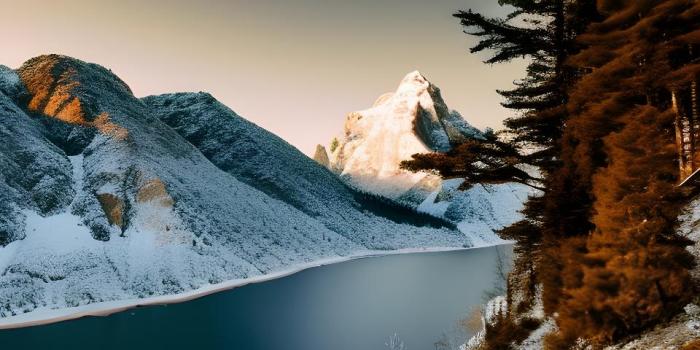
How to stay hydrated in high-altitude environments is essential for your health and well-being when exploring elevated terrains. Discover effective strategies to combat dehydration and thrive in challenging conditions.
Exploring high-altitude environments can pose unique challenges for hydration, but with the right knowledge and preparation, you can ensure your body stays properly nourished and hydrated throughout your adventures.
Importance of Hydration in High-Altitude Environments
Staying hydrated in high-altitude environments is crucial for overall health and well-being. The lower oxygen levels at higher altitudes can lead to increased breathing and perspiration, causing a higher rate of fluid loss from the body. Dehydration in such conditions can have serious consequences on health, including altitude sickness, headaches, fatigue, and even more severe conditions like pulmonary or cerebral edema.
Maintaining proper hydration levels helps to combat these risks and ensures optimal physical and mental function.
Factors Affecting Hydration at High Altitudes
Factors contributing to increased dehydration at high altitudes include lower humidity levels, increased respiratory water loss due to elevated breathing rates, and reduced fluid intake due to decreased thirst sensation. Altitude influences the body’s water requirements by accelerating fluid loss through respiration and sweat.
The dry climate in high-altitude regions can further exacerbate dehydration by promoting increased evaporation of sweat. It is essential to be mindful of these factors and adjust hydration strategies accordingly.
Tips for Staying Hydrated in High-Altitude Environments
To ensure adequate hydration at high altitudes, it is important to drink water regularly throughout the day, even if you do not feel thirsty. Carry a reusable water bottle and sip on fluids frequently to prevent dehydration. Be mindful of signs of dehydration such as dark urine, dry mouth, or dizziness, and take immediate action to rehydrate.
Consuming electrolyte-rich beverages or snacks can also help maintain hydration levels in such environments.
Hydration and Physical Fitness in High-Altitude Settings
Proper hydration is directly linked to physical performance at high altitudes. Dehydration can impair muscle function, reduce endurance, and negatively impact overall athletic performance. By staying adequately hydrated, athletes can enhance their physical endurance, maintain muscle strength, and improve overall performance in high-altitude settings.
It is crucial to prioritize hydration as an integral part of training and competition at higher elevations.
Importance of Electrolytes in High-Altitude Hydration, How to stay hydrated in high-altitude environments
Electrolytes play a vital role in maintaining hydration levels at high altitudes by helping regulate fluid balance and muscle function. Sources of electrolytes include fruits, vegetables, nuts, and sports drinks. Replenishing electrolytes through proper nutrition or supplements can help prevent dehydration and maintain optimal performance in high-altitude environments.
Balancing electrolyte intake alongside adequate water consumption is key to staying hydrated in such settings.
Hydration and Mental Wellness at High Altitudes
Hydration is closely linked to mental well-being in high-altitude environments. Dehydration can impair cognitive function, mood, and overall mental performance. By staying hydrated, individuals can boost their mental clarity, focus, and mood stability at higher elevations. Strategies such as regular water intake, electrolyte replenishment, and maintaining a well-balanced diet can support mental wellness and overall hydration in high-altitude regions.
Hydration and Balanced Diet in High-Altitude Regions
Maintaining proper hydration in high-altitude regions is closely tied to a balanced diet rich in nutrients that support hydration. Foods such as water-rich fruits and vegetables, lean proteins, and whole grains can help replenish fluids and electrolytes lost at higher elevations.
A well-rounded diet not only supports hydration but also provides essential nutrients for overall health and well-being in high-altitude environments.
Ending Remarks: How To Stay Hydrated In High-altitude Environments
In conclusion, prioritizing hydration in high-altitude environments is key to maintaining your physical and mental performance. By following the tips and strategies Artikeld above, you can conquer any altitude with confidence and vitality.
Answers to Common Questions
How does altitude affect hydration levels?
Altitude can lead to increased dehydration due to lower oxygen levels, which can result in higher fluid requirements to maintain optimal hydration.
What are some signs of dehydration at high altitudes?
Signs of dehydration at high altitudes can include increased thirst, dry mouth, dark urine, fatigue, and dizziness.
Why are electrolytes important in high-altitude hydration?
Electrolytes play a crucial role in maintaining hydration levels by helping regulate fluid balance and muscle function, especially in challenging environments like high altitudes.
How can a balanced diet support hydration in high-altitude regions?
A balanced diet rich in nutrient-dense foods can provide essential vitamins and minerals that support hydration and overall well-being in high-altitude settings.