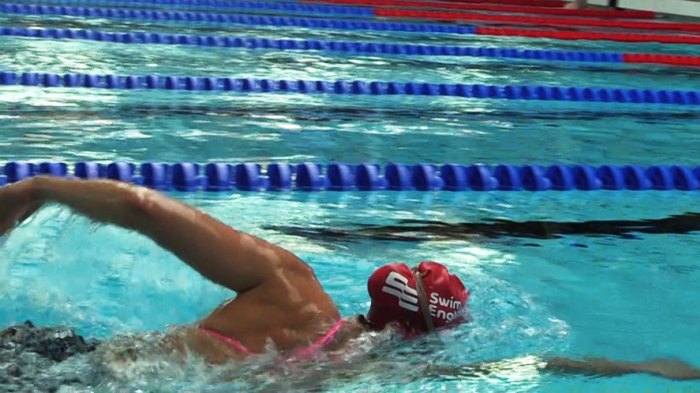
Tips for improving physical fitness through swimming sets the stage for this enthralling narrative, offering readers a glimpse into a story that is rich in detail with casual formal language style and brimming with originality from the outset.
Swimming is not just a leisure activity but also a fantastic way to enhance your physical fitness. From cardiovascular health to muscle strength, swimming offers a plethora of benefits that can transform your overall well-being. Dive into this article to uncover the secrets of improving your fitness through swimming!
Introduction to Swimming for Physical Fitness
Swimming is not just a recreational activity; it is also an excellent way to improve physical fitness. Here are some key benefits of swimming for overall health and well-being:
Improving Cardiovascular Health
Swimming is a fantastic cardiovascular exercise that can help strengthen the heart and improve circulation. The continuous movement of swimming helps to increase the heart rate, leading to better cardiovascular endurance over time.
- Swimming engages multiple muscle groups simultaneously, providing a full-body workout that can improve muscle tone and strength.
- Regular swimming can help increase muscle endurance, making daily activities easier and less tiring.
- Unlike high-impact exercises like running, swimming is gentle on the joints, making it an ideal workout for individuals with joint pain or arthritis.
Calorie-Burning Potential
Swimming can also be an effective way to burn calories and manage weight. The calorie-burning potential of swimming varies depending on factors such as stroke technique, intensity, and duration. On average, swimming can burn anywhere from 400 to 700 calories per hour, making it a great option for those looking to lose weight or maintain a healthy weight.
Swimming can be a fun and challenging way to improve physical fitness, with the added benefit of being low-impact and suitable for all ages and fitness levels.
Techniques and Tips for Effective Swimming Workouts
Swimming workouts can be highly effective for improving physical fitness, but it’s essential to focus on proper techniques and tips to maximize the benefits. Whether you’re a beginner or looking to enhance your swimming strokes, incorporating different drills and varying your workouts is crucial for continuous improvement.
Proper Swimming Techniques for Beginners
- Focus on body position: Keep your body horizontal in the water with your head in line with your spine.
- Breathe rhythmically: Practice breathing on both sides to ensure you get enough oxygen while swimming.
- Use your legs effectively: Kick from your hips and keep your legs straight to propel yourself forward efficiently.
- Master your arm strokes: Reach forward with each stroke, pull through the water, and exit smoothly to reduce drag.
Tips for Improving Swimming Strokes and Efficiency
- Work on your kick: Focus on developing a strong and consistent kick to improve your overall propulsion in the water.
- Engage your core: Strengthening your core muscles will help stabilize your body and improve your swimming technique.
- Practice bilateral breathing: Alternating your breathing sides can help balance out your stroke and improve efficiency.
- Get feedback: Consider working with a swim coach or using underwater video analysis to identify areas for improvement in your strokes.
Different Swimming Drills to Enhance Overall Fitness
- Interval training: Incorporate sprints and recovery periods to boost cardiovascular endurance and speed.
- Pull sets: Focus on using only your arms to strengthen your upper body and improve stroke technique.
- Kick sets: Develop your leg strength and kick technique by incorporating drills that focus on kicking efficiency.
- Open water simulation: Practice swimming in open water conditions to prepare for triathlons or open water competitions.
Importance of Varying Swim Workouts for Continuous Improvement
Swimming the same workout repeatedly can lead to plateaus in progress. By varying your swim workouts, you challenge different muscle groups, prevent boredom, and continue to see improvements in your overall fitness levels. Try mixing up your stroke focus, distances, and intensity levels to keep your workouts engaging and effective.
Importance of Balanced Diet for Swimmers
Eating a balanced diet is crucial for swimmers as it provides the necessary nutrients and energy to support their intense physical activity in the water. A well-rounded diet can improve performance, enhance recovery, and boost overall health for swimmers.
Components of a Balanced Diet for Swimmers
- Protein: Essential for muscle repair and growth. Sources include lean meats, poultry, fish, dairy, legumes, and nuts.
- Carbohydrates: Serve as the primary fuel source for swimmers’ workouts. Opt for whole grains, fruits, vegetables, and legumes.
- Fats: Provide long-lasting energy and support overall health. Include healthy fats from sources like avocados, nuts, seeds, and fatty fish.
- Vitamins and Minerals: Important for various bodily functions and overall well-being. Get these from a variety of fruits, vegetables, and whole foods.
- Hydration: Stay well-hydrated to maintain optimal performance and prevent dehydration during swimming sessions.
Examples of Nutrient-Rich Foods for Swimmers
- Salmon: Rich in omega-3 fatty acids for heart health and inflammation reduction.
- Quinoa: High in protein and complex carbohydrates for sustained energy levels.
- Spinach: Packed with iron for oxygen transport and magnesium for muscle function.
- Greek Yogurt: Excellent source of protein and calcium for muscle repair and bone health.
- Berries: Loaded with antioxidants to combat oxidative stress from intense exercise.
Meal Planning Tips for Optimizing Energy Levels
- Pre-Workout: Consume a balanced meal with carbohydrates and protein 1-2 hours before swimming to fuel your session.
- Post-Workout: Refuel with a combination of protein and carbohydrates within 30 minutes of finishing your swim to aid recovery.
- Snack Smart: Opt for nutrient-dense snacks like nuts, fruits, yogurt, or whole-grain crackers to keep energy levels stable throughout the day.
- Stay Hydrated: Drink plenty of water throughout the day and consider electrolyte-rich beverages for longer swimming sessions.
Mental Wellness and Swimming
Swimming not only benefits physical fitness but also plays a significant role in promoting mental wellness. The calming effects of being in the water and the rhythmic nature of swimming can have a positive impact on mental health.Experiencing stress is a common part of life, but swimming can be a great way to reduce stress levels and improve mood.
The act of swimming allows individuals to focus on their breathing and movements, helping to relax the mind and alleviate feelings of anxiety or tension.
Reducing Stress and Improving Mood
- Swimming releases endorphins, also known as “feel-good” hormones, which can boost mood and reduce feelings of stress.
- The repetitive nature of swimming strokes can have a meditative effect, promoting relaxation and mental clarity.
- Being in the water can create a sense of weightlessness, which can help individuals feel lighter both physically and mentally.
Incorporating Mindfulness into Swimming Sessions
- Practice deep breathing exercises while swimming to enhance relaxation and focus.
- Engage all senses by paying attention to the sounds, sights, and sensations of the water around you.
- Set intentions before each swimming session to stay present and mindful throughout the workout.
Emotional Balance and Well-being
- Regular swimming can help regulate emotions and promote a sense of balance in daily life.
- Swimming provides a healthy outlet for processing emotions and can be a form of self-care for mental well-being.
- The sense of accomplishment and satisfaction after a swimming workout can boost self-esteem and overall emotional well-being.
Hydration and Its Impact on Swimming Performance
Proper hydration is crucial for optimizing swimming performance and overall health. Dehydration can significantly affect your ability to swim efficiently and may lead to various negative consequences.
Importance of Staying Hydrated
- Hydration is essential for regulating body temperature and maintaining electrolyte balance during intense swimming workouts.
- Dehydration can result in fatigue, muscle cramps, reduced endurance, and impaired cognitive function, all of which can hinder your swimming performance.
Signs of Dehydration and Its Effects
- Common signs of dehydration include increased thirst, dry mouth, dark-colored urine, headache, and dizziness.
- Dehydration can lead to decreased blood volume, reduced oxygen delivery to muscles, and compromised cardiovascular function, impacting your swimming speed and stamina.
Tips for Proper Hydration
It’s essential to hydrate properly before, during, and after swimming to maintain peak performance and support recovery.
- Before swimming: Drink water or a sports drink 1-2 hours before your workout to ensure proper hydration levels.
- During swimming: Take regular sips of water or a sports drink during breaks to replenish fluids lost through sweat.
- After swimming: Rehydrate with water or a recovery drink to replace lost fluids and electrolytes, aiding in muscle recovery.
Benefits of Adequate Hydration
- Proper hydration supports optimal muscle function, helping you maintain strength and power throughout your swimming session.
- Hydration plays a key role in the recovery process by facilitating nutrient delivery to muscles and removing waste products, reducing the risk of muscle soreness.
Regular Exercise Routine for Swimmers
Swimming is a fantastic form of exercise that offers a full-body workout, making it a great addition to a regular exercise routine. Let’s dive into the significance of incorporating swimming into your workout regimen and how it can benefit your overall fitness.
Importance of Balancing Swimming with Other Forms of Exercise
- Swimming helps improve cardiovascular health, strength, and endurance, making it a valuable addition to your workout routine.
- However, it’s essential to balance swimming with other forms of exercise, such as strength training or flexibility exercises, to ensure a well-rounded fitness regimen.
- By incorporating a variety of exercises, you can target different muscle groups and prevent overuse injuries.
Consistency in Swimming Workouts for Physical Health
- Consistency is key when it comes to reaping the benefits of swimming for physical health.
- Regular swimming workouts can lead to improvements in cardiovascular fitness, muscle tone, and overall well-being.
- By sticking to a consistent swimming routine, you can enhance your endurance, strength, and flexibility over time.
Setting Realistic Fitness Goals for Swimmers
- It’s important for swimmers to set realistic fitness goals that align with their abilities and training schedule.
- Setting achievable goals can help keep you motivated and track your progress effectively.
- Whether you aim to swim a certain distance, improve your stroke technique, or participate in a competition, setting realistic goals can help you stay focused and committed to your fitness journey.
Healthy Lifestyle Habits for Swimmers
Adopting a healthy lifestyle is crucial for swimmers to enhance their performance in the water and overall well-being.
Importance of Healthy Diet
- Aim for a balanced diet rich in lean proteins, complex carbohydrates, healthy fats, and a variety of fruits and vegetables.
- Avoid sugary snacks and processed foods that can lead to energy crashes and hinder performance.
- Stay hydrated by drinking plenty of water throughout the day and especially before and after swimming sessions.
Regular Exercise and Rest
- Include strength training exercises to build muscle and improve endurance in addition to swimming workouts.
- Allow your body to rest and recover adequately to prevent burnout and reduce the risk of injuries.
Avoiding Unhealthy Habits
- Avoid smoking, excessive alcohol consumption, and late nights that can negatively impact your swimming performance and overall health.
- Avoid skipping meals or excessive dieting, as it can lead to nutrient deficiencies and lack of energy.
Benefits of Holistic Approach
- By adopting a holistic approach to health, swimmers can improve their physical performance, mental clarity, and emotional well-being.
- Balancing nutrition, exercise, rest, and mental wellness can lead to a more sustainable and fulfilling swimming experience.
Stress Management Strategies for Swimmers
Swimming not only offers physical benefits but also plays a crucial role in managing stress levels. The combination of rhythmic breathing, repetitive movements, and the soothing sensation of being in the water can help swimmers find relief from stress and anxiety.
Techniques for Managing Stress through Swimming Workouts
- Focus on your breathing: Concentrate on your breathing pattern while swimming, as this can help calm your mind and reduce stress.
- Practice mindfulness: Pay attention to the sensations of the water against your skin, the sound of your strokes, and the rhythm of your movements to stay present and reduce stress.
- Set achievable goals: Setting realistic goals for your swimming workouts can give you a sense of accomplishment and boost your confidence, leading to reduced stress levels.
Regular Exercise and Stress Reduction
Regular exercise, including swimming, is known to release endorphins in the brain, which are natural mood lifters. By engaging in consistent swimming workouts, swimmers can effectively reduce stress and improve their overall mental well-being.
Importance of Self-Care Practices for Swimmers
- Ensure proper rest: Getting an adequate amount of rest and sleep is essential for swimmers to recover physically and mentally, reducing the risk of burnout and stress.
- Stay hydrated: Proper hydration is key to maintaining optimal performance and reducing stress levels during swimming workouts.
- Practice relaxation techniques: Incorporating relaxation techniques such as meditation, yoga, or stretching into your routine can help swimmers unwind and manage stress effectively.
Preventive Care and Injury Prevention in Swimming
Swimming is a fantastic form of exercise, but like any physical activity, it comes with the risk of injuries. Preventive care is crucial for swimmers to avoid common injuries and stay in top shape. By taking proper precautions and incorporating injury prevention strategies, swimmers can enjoy their workouts safely and effectively.
Common Swimming-Related Injuries and Prevention
- Shoulder injuries, such as rotator cuff strains, are prevalent among swimmers due to the repetitive motion of the arms. To prevent shoulder injuries, swimmers should focus on proper stroke technique, strengthen the shoulder muscles, and avoid overtraining.
- Swimmer’s ear is a common issue caused by water trapped in the ear canal. To prevent swimmer’s ear, swimmers should use earplugs, dry their ears thoroughly after swimming, and avoid swimming in contaminated water.
- Lower back injuries can occur from incorrect body positioning and kicking technique. To prevent lower back injuries, swimmers should maintain proper body alignment, engage the core muscles, and stretch regularly.
Proper Warm-Up and Cooldown Routines, Tips for improving physical fitness through swimming
Before diving into the pool, swimmers should always warm up their muscles to prepare them for the workout ahead. A dynamic warm-up that includes arm swings, leg kicks, and torso twists can help prevent muscle strains and injuries. After the swim session, swimmers should cool down with gentle stretches to promote muscle recovery and flexibility.
The Role of Cross-Training
Cross-training is essential for swimmers to prevent overuse injuries and improve overall fitness. Incorporating activities such as yoga, strength training, and cycling can help swimmers build strength in different muscle groups, reduce the risk of injury, and enhance performance in the water.
Nutritional Strategies for Optimal Performance in Swimming
Proper nutrition plays a crucial role in enhancing swimming performance by providing the necessary energy and nutrients for muscle function and recovery. Implementing the right nutritional strategies can help swimmers improve their endurance, strength, and overall performance in the water.
Impact of Proper Nutrition on Swimming Performance
Nutrition directly impacts swimming performance by fueling the body with carbohydrates for energy, protein for muscle repair and growth, and essential vitamins and minerals for overall health. Swimmers need to consume a well-balanced diet that includes a mix of carbohydrates, lean proteins, healthy fats, fruits, vegetables, and plenty of water to stay hydrated.
Recommendations for Pre- and Post-Swim Nutrition for Optimal Recovery
Pre-swim
Swimmers should consume a light meal or snack rich in carbohydrates and moderate in protein about 1-2 hours before swimming to provide sustained energy. Avoid heavy or high-fat meals that can cause discomfort during exercise.
Post-swim
After a workout, swimmers should refuel their bodies with a combination of carbohydrates and protein to aid in muscle recovery and glycogen replenishment. Including a mix of fast-digesting carbs and quality protein within 30 minutes of finishing a swim can optimize recovery.
Importance of Timing Meals and Snacks Around Swimming Workouts
Timing meals and snacks around swimming workouts is crucial to ensure proper fueling and recovery. Eating a balanced meal 2-3 hours before swimming and having a post-swim snack or meal within 30 minutes can help maintain energy levels, enhance performance, and support muscle repair.
Nutrient Timing to Enhance Endurance and Muscle Repair for Swimmers
Proper nutrient timing involves consuming the right nutrients at the right times to maximize endurance and muscle repair. For swimmers, this means fueling up with carbohydrates before a swim, refueling with a mix of carbs and protein after, and staying hydrated throughout.
This approach can improve performance, reduce fatigue, and promote recovery for swimmers of all levels.
Quality Sleep and Its Influence on Swimming Performance
Quality sleep plays a crucial role in the overall performance and recovery of swimmers. Adequate rest is essential for the body to repair and rebuild muscles, enhance focus and concentration, and regulate hormone levels that contribute to optimal athletic performance.
The Importance of Quality Sleep for Swimmers
Proper sleep is directly linked to improved swimming performance. During sleep, the body releases growth hormone, which aids in muscle recovery and repair. This is essential for swimmers who engage in rigorous training sessions that put strain on their muscles.
Link Between Inadequate Sleep and Decreased Athletic Performance
Insufficient sleep can lead to decreased reaction times, decreased cognitive function, and increased risk of injury due to reduced coordination. This can significantly impact a swimmer’s performance in the pool and hinder their progress.
Tips for Improving Sleep Quality and Establishing a Bedtime Routine
- Avoid caffeine and electronic devices before bedtime to promote relaxation.
- Create a comfortable sleep environment with minimal light and noise.
- Establish a consistent bedtime routine to signal to your body that it’s time to sleep.
- Practice relaxation techniques such as deep breathing or meditation to calm the mind before bed.
Benefits of Sufficient Rest in Maximizing the Benefits of Swimming Workouts
Quality sleep allows swimmers to wake up feeling refreshed and energized, ready to tackle their training sessions with full intensity. It also helps in faster recovery, reducing the risk of overtraining and burnout, ultimately leading to better performance in the pool.
Cardiovascular Health Benefits of Swimming
Swimming is an excellent form of exercise that offers numerous benefits for cardiovascular health and overall well-being.
Improved Cardiovascular Fitness
Swimming is a full-body workout that engages multiple muscle groups, including the heart. Regular swimming sessions can help strengthen the heart muscle, improve circulation, and enhance cardiovascular endurance.
- Swimming increases the heart rate, promoting better blood flow throughout the body.
- Consistent swimming can lower the resting heart rate, indicating a more efficient heart function.
- Engaging in various swimming strokes can challenge the cardiovascular system in different ways, leading to overall heart health improvement.
Effects on Blood Pressure and Cholesterol Levels
Swimming has been shown to have positive effects on blood pressure and cholesterol levels, which are key indicators of cardiovascular health.
- Regular swimming can help lower blood pressure and reduce the risk of hypertension.
- Swimming can increase levels of “good” HDL cholesterol while decreasing levels of “bad” LDL cholesterol, promoting a healthier lipid profile.
- These improvements in blood pressure and cholesterol levels contribute to a decreased risk of heart disease and stroke.
Swimming Workouts for Cardiovascular Endurance
To enhance cardiovascular endurance through swimming, incorporating various workouts and training techniques can be beneficial.
- Interval training: Alternating between high-intensity swimming intervals and moderate recovery periods can boost cardiovascular fitness.
- Distance swimming: Swimming longer distances at a steady pace can improve endurance and stamina over time.
- Speed drills: Performing short bursts of fast swimming followed by rest can enhance cardiovascular capacity and speed.
Long-Term Benefits for a Healthy Heart
The long-term benefits of swimming for cardiovascular health extend beyond immediate improvements to long-lasting heart wellness.
- Reduced risk of heart disease: Regular swimming can lower the risk of developing cardiovascular conditions such as heart attacks and strokes.
- Improved heart function: Strengthening the heart muscle through swimming can lead to a healthier and more efficient cardiovascular system.
- Enhanced overall well-being: The combination of physical activity, stress relief, and mental relaxation in swimming contributes to a healthier heart and mind.
Immune Boosting Effects of Swimming
Regular swimming can have significant benefits for strengthening the immune system. The relationship between exercise, such as swimming, and immune function is well-established. By engaging in consistent swimming workouts, individuals can experience improvements in their overall immune health.
Tips for Avoiding Illness and Maintaining Immune Health as a Swimmer
- Ensure proper hygiene practices before and after swimming sessions to reduce the risk of infections.
- Stay hydrated by drinking an adequate amount of water throughout the day to support immune function.
- Follow a balanced diet rich in nutrients to provide the body with essential vitamins and minerals for a strong immune system.
- Get enough rest and quality sleep to allow the body to recover and repair, crucial for immune health.
Reducing the Risk of Infections and Boosting Immunity
Swimming can help in reducing the risk of infections by promoting overall cardiovascular health and improving circulation. The combination of aerobic exercise and resistance training in swimming workouts can enhance immune function, making the body more resilient to illnesses. Consistent swimming routines can also help in boosting immunity by reducing inflammation and supporting the body’s natural defense mechanisms.
Cultivating a Positive Mindset through Swimming
Swimming is not just a physical activity; it also has numerous mental benefits that can enhance your overall well-being. Developing a positive mindset while swimming can help you overcome mental barriers, stay motivated, and ultimately improve your performance in the water.
Strategies for Overcoming Mental Barriers and Staying Motivated
- Set realistic goals: Break down your swimming goals into smaller, achievable milestones to track your progress and stay motivated.
- Focus on the process: Instead of solely fixating on the end result, enjoy and appreciate the journey of improvement in each swim session.
- Stay positive: Practice positive self-talk and affirmations to boost your confidence and overcome self-doubt.
Goal Setting and Visualization Techniques for Enhanced Performance
- Set specific, measurable, achievable, relevant, and time-bound (SMART) goals to give your swimming direction and purpose.
- Visualize success: Picture yourself achieving your goals and visualize each step of your swim with precision and focus.
- Use visualization techniques to mentally rehearse your races or training sessions, enhancing muscle memory and performance.
Connection between Positive Attitude and Improved Physical Fitness
- A positive attitude can lead to increased motivation, consistency in training, and better adherence to workout routines, ultimately improving physical fitness outcomes.
- Maintaining a positive mindset can help reduce stress levels, improve sleep quality, and enhance overall well-being, contributing to better physical performance in swimming.
- Research shows that athletes with a positive attitude are more likely to achieve their fitness goals and perform better in competitions.
Importance of Clean Eating for Swimmers
Eating clean is crucial for swimmers as it directly impacts their performance in the pool. Clean eating involves consuming whole, unprocessed foods that provide essential nutrients to fuel the body and support recovery. By prioritizing clean eating, swimmers can optimize their energy levels, enhance their endurance, and improve their overall health and fitness.
Impact of Processed Foods on Energy Levels and Recovery
Processed foods are often high in unhealthy fats, sugars, and additives, which can lead to fluctuations in energy levels and hinder recovery for swimmers. These foods lack the necessary nutrients needed for optimal performance and can result in fatigue, sluggishness, and reduced endurance.
Swimmers who rely on processed foods may experience slower recovery times and increased muscle soreness, ultimately affecting their training and competition outcomes.
Tips for Incorporating Whole, Unprocessed Foods into a Swimmer’s Diet
- Prioritize whole foods such as fruits, vegetables, lean proteins, whole grains, and healthy fats.
- Opt for nutrient-dense snacks like nuts, seeds, Greek yogurt, or homemade energy bars.
- Prepare meals in advance to ensure access to healthy options during busy training schedules.
- Stay hydrated by drinking plenty of water and incorporating hydrating foods like water-rich fruits and vegetables into meals and snacks.
Benefits of a Clean Eating Approach for Overall Health and Fitness
Embracing a clean eating approach not only benefits swimming performance but also contributes to overall health and fitness. By nourishing the body with nutrient-rich foods, swimmers can support their immune system, improve digestion, maintain a healthy weight, and reduce the risk of chronic diseases.
Clean eating promotes long-term wellness and sustainability, enhancing the swimmer’s ability to perform at their best both in and out of the pool.
Incorporating Daily Activity Beyond Swimming
Swimming is a fantastic full-body workout that offers numerous benefits for physical fitness. However, it’s essential for swimmers to incorporate daily activity beyond their swimming workouts to enhance their overall fitness levels and performance in the pool.
Importance of Staying Active Outside of Swimming
Engaging in other physical activities outside of swimming helps improve muscle balance, flexibility, and strength. It also prevents overuse injuries and promotes overall well-being.
Examples of Complementary Activities
- Strength training: Incorporating weightlifting or bodyweight exercises helps build muscle strength, which can improve swim stroke efficiency and power.
- Yoga or Pilates: These activities focus on flexibility, core strength, and breathing techniques, which are beneficial for swimmers in enhancing body alignment and breathing control.
- Cycling or running: Cardiovascular activities like cycling or running can boost endurance levels, which can translate to improved stamina during long swim sessions.
Benefits of Cross-Training
Cross-training involves participating in different forms of exercise to supplement your swimming routine. It helps prevent boredom, reduces the risk of overuse injuries, and enhances overall fitness by targeting different muscle groups.
Contribution of Daily Movement to Overall Fitness
Regular physical activity and movement throughout the day, such as walking, taking the stairs, or stretching, contribute to improved circulation, increased energy levels, and better mental focus. These small activities complement your swimming workouts and promote overall well-being.
Holistic Health Approach for Swimmers
Swimmers can greatly benefit from adopting a holistic health approach that encompasses not only physical fitness but also mental and emotional well-being. By addressing all aspects of health, swimmers can optimize their performance in the pool and improve overall wellness.
Incorporating Physical, Mental, and Emotional Health for Swimmers
- Physical Health: Swimmers should focus on strength training, flexibility, and cardiovascular endurance to enhance their swimming abilities. Incorporating cross-training activities can help prevent injuries and improve overall fitness levels.
- Mental Health: Mental toughness and focus are crucial for swimmers to perform at their best. Techniques such as visualization, mindfulness, and goal-setting can help swimmers maintain a positive mindset and manage stress effectively.
- Emotional Health: Emotional well-being plays a significant role in a swimmer’s performance. Building a support system, practicing self-care, and seeking professional help when needed can contribute to emotional resilience and overall success in the pool.
Benefits of Holistic Health for Swimmers
- Improved Performance: By addressing physical, mental, and emotional health, swimmers can enhance their overall performance in the water and achieve their goals more effectively.
- Reduced Risk of Burnout: Taking a holistic approach to health can help swimmers prevent burnout and maintain a healthy balance between training, recovery, and other aspects of their lives.
- Enhanced Well-Being: Prioritizing holistic health can lead to increased energy levels, better sleep quality, and a greater sense of fulfillment both in and out of the pool.
Mindful Living and Its Connection to Swimming: Tips For Improving Physical Fitness Through Swimming
Swimming is not just a physical activity; it also offers a unique opportunity for mindfulness practice. By incorporating mindfulness into your swimming routine, you can enhance your overall experience in the water and improve your performance.
Role of Mindfulness in Enhancing the Swimming Experience
- Mindfulness involves being fully present in the moment, focusing on your breath, body sensations, and the surrounding environment.
- By practicing mindfulness during swimming, you can cultivate a sense of calm and awareness, allowing you to connect more deeply with your movements in the water.
- Being mindful helps you stay in the present moment, letting go of distractions and worries, which can lead to a more enjoyable and effective swimming session.
Techniques for Practicing Mindfulness During Swimming Sessions
- Focus on your breathing rhythm and the sensation of water against your skin as you move through the water.
- Avoid letting your mind wander to external stressors or distractions, bringing your attention back to the present moment if it drifts away.
- Use visualization techniques to imagine yourself moving effortlessly through the water, feeling strong and confident in your strokes.
Benefits of Incorporating Mindfulness into a Swimmer’s Lifestyle
- Improved focus and concentration during swimming workouts, leading to better technique and performance.
- Enhanced relaxation and stress reduction, promoting a sense of well-being and enjoyment in the water.
- Overall improvement in swimming efficiency and effectiveness, as mindfulness helps you tune into your body’s signals and adjust your movements accordingly.
Achieving Emotional Balance Through Swimming
Swimming is not only a great physical workout but also a powerful tool for achieving emotional balance and overall well-being. The combination of rhythmic movements, controlled breathing, and the soothing sensation of being in water can have a profound impact on your mental health.
Emotional Benefits of Swimming
- Swimming helps release endorphins, the feel-good hormones, which can reduce stress, anxiety, and symptoms of depression.
- The repetitive nature of swimming strokes can be meditative, promoting mindfulness and relaxation.
- Being in water can create a sense of weightlessness, which can alleviate physical and emotional tension.
Managing Emotions and Stress Through Swimming
- Swimming provides a healthy outlet for releasing pent-up emotions and frustrations, allowing you to clear your mind and focus on the present moment.
- The rhythmic breathing patterns in swimming can help regulate your breathing and calm your nervous system, reducing stress levels.
- Engaging in a regular swimming routine can enhance your overall mood, boost self-esteem, and improve your emotional resilience.
Connection Between Physical Activity, Emotional Well-being, and Health
- Regular exercise, such as swimming, has been linked to improved mental health outcomes, including reduced risk of mood disorders and enhanced emotional well-being.
- Physical activity releases neurotransmitters like serotonin and dopamine, which play a key role in regulating mood and emotions.
- By incorporating swimming into your fitness regimen, you can not only improve your physical health but also nurture your emotional balance and mental wellness.
Importance of Health Education for Swimmers
Swimmers, like any other athletes, benefit greatly from health education that focuses on various aspects of well-being. This education plays a crucial role in enhancing their performance, preventing injuries, and promoting overall health and fitness. By understanding the principles of nutrition, exercise, and injury prevention, swimmers can optimize their training routines and make informed decisions to support their athletic goals.
Role of Health Education in Promoting Well-being
Health education equips swimmers with the knowledge and skills necessary to maintain a healthy lifestyle. It empowers them to make better choices regarding their diet, training regimen, and recovery practices. By educating swimmers about the importance of balanced nutrition, proper hydration, effective workout techniques, and injury prevention strategies, health education contributes to their overall well-being and success in the pool.
Importance of Understanding Nutrition, Exercise, and Injury Prevention
Nutrition, exercise, and injury prevention are essential components of a swimmer’s training program. Understanding the role of each aspect and how they interact with one another is crucial for swimmers to achieve optimal performance and stay injury-free. Health education provides swimmers with the knowledge and tools to fuel their bodies appropriately, design effective workout routines, and implement safety measures to prevent injuries during training and competitions.
Resources for Accessing Reliable Health Information
Swimmers can access reliable health information and guidance from various sources, including certified nutritionists, fitness trainers, sports medicine professionals, and reputable online resources. These sources offer valuable insights, tips, and recommendations to help swimmers improve their physical fitness, enhance their performance, and maintain their overall health.
By utilizing these resources, swimmers can stay informed and up-to-date on the latest developments in health and fitness tailored to their specific needs.
Empowerment Through Informed Choices
Knowledge about health and fitness empowers swimmers to make informed choices that align with their goals and priorities. By understanding the principles of health education, swimmers can take control of their well-being, set realistic targets, and make sustainable lifestyle changes.
This empowerment enables swimmers to navigate the complexities of training, recovery, and competition with confidence and resilience, leading to improved performance and overall success in their swimming endeavors.
Self-Care Practices for Swimmers
Swimmers often focus on rigorous training routines to enhance their performance, but it is equally important to prioritize self-care practices to maintain physical and mental well-being. By incorporating self-care activities into their daily routine, swimmers can improve recovery, reduce stress, and ultimately enhance their overall performance in the water.
Importance of Self-Care in Swimming
Self-care plays a crucial role in the lives of swimmers as it helps in maintaining a healthy balance between training intensity and relaxation. It allows swimmers to recharge both physically and mentally, preventing burnout and injuries in the long run.
- Regular stretching and foam rolling sessions can help swimmers improve flexibility, reduce muscle soreness, and prevent injuries.
- Massage therapy can aid in muscle recovery, improve circulation, and reduce tension in the body after intense training sessions.
- Incorporating mindfulness practices such as meditation and deep breathing exercises can help swimmers manage stress, enhance focus, and promote mental clarity.
- Prioritizing adequate rest and sleep is essential for swimmers to allow their bodies to recover, repair muscle tissues, and optimize performance.
Benefits of Prioritizing Self-Care
By dedicating time to self-care practices, swimmers can experience a range of benefits that positively impact their overall well-being and performance in the water. These benefits include improved recovery, reduced stress levels, increased energy levels, and enhanced focus during training sessions.
Self-care practices can act as a form of preventive care for swimmers, helping them avoid burnout, injuries, and mental fatigue in the long term.
Enhancing Performance Through Self-Care
When swimmers prioritize self-care activities, they create a foundation for optimal performance in the pool. By incorporating relaxation techniques, recovery strategies, and stress management practices into their routine, swimmers can improve their endurance, speed, and overall efficiency in the water.
Managing Chronic Diseases Through Swimming
Swimming can be a valuable form of exercise for individuals with chronic diseases, offering a range of benefits for overall health and well-being.
Potential Benefits of Swimming for Chronic Disease Management
- Improves cardiovascular health and strengthens the heart muscle.
- Enhances lung capacity and respiratory function.
- Helps in maintaining a healthy weight and managing obesity-related conditions.
- Reduces joint stress and inflammation, making it ideal for those with arthritis.
- Boosts mood and mental well-being, promoting a positive outlook on life.
Examples of How Swimming Helps in Managing Specific Conditions
- For individuals with arthritis, swimming provides a low-impact workout that eases joint pain and stiffness.
- Swimming can benefit individuals with asthma by improving lung function and helping them control their breathing.
Precautions and Considerations for Swimmers with Chronic Diseases
- Consult with a healthcare provider before starting a swimming routine, especially if you have a chronic condition.
- Monitor your heart rate and breathing during swimming sessions to ensure safety.
- Avoid swimming alone and inform lifeguards or supervisors about your condition for added support.
Swimming as a Safe and Effective Exercise for Chronic Disease Management
- Swimming is a non-weight bearing exercise that reduces the risk of injury and strain on joints.
- The buoyancy of water supports the body, making movements easier for individuals with mobility issues.
- Regular swimming can improve overall fitness levels and quality of life for those with chronic diseases.
Outcome Summary
As we wrap up our discussion on improving physical fitness through swimming, it’s clear that this water-based exercise is a game-changer. By incorporating swimming into your routine and focusing on technique, nutrition, and overall wellness, you can take significant strides towards a healthier lifestyle.
So, grab your swimsuit and dive into a world of fitness and well-being!
Question & Answer Hub
Can swimming help in building muscle strength?
Absolutely! Swimming is a great full-body workout that can help in building muscle strength and endurance.
How can I improve my swimming strokes?
Practice and proper technique are key. Consider taking lessons or working with a coach to refine your strokes.
Is swimming a good exercise for improving cardiovascular health?
Yes, swimming is excellent for cardiovascular health as it gets your heart rate up and improves circulation.


